
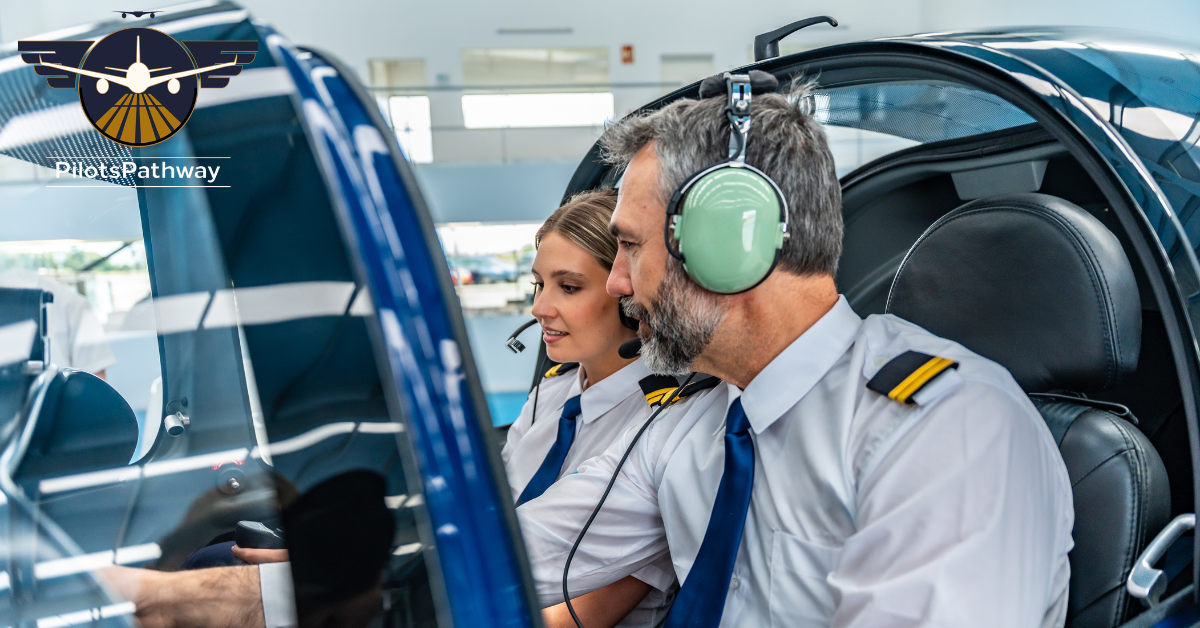
Flying an aircraft for the first time can feel overwhelming, but today’s aspiring pilots do not begin their journey thousands of feet above the ground. Instead, they start inside a flight simulator, where they can develop flying skills, learn from mistakes, and build confidence in a safe and controlled environment before flying a real aircraft. This is where pilot simulator training becomes an essential part of modern aviation training.
Simulator training bridges the gap between classroom learning and practical flying. It allows aspiring pilots to experience realistic flight scenarios, understand cockpit procedures, improve decision-making, and develop confidence before stepping into an actual aircraft. Whether you’re considering an aviation career or simply exploring the journey to becoming a commercial pilot, simulator-based learning provides valuable practical exposure from the very beginning.
Read More: Best DGCA Ground Classes in India: Why PilotsPathway is the Right Choice
In this guide, we will explain how simulator training works, what to expect from flight simulator classes, how a simulator works, and how simulator training supports your journey to becoming a commercial pilot.
Pilot Simulator Training: What It Is and Why It Matters
For most aspiring pilots, the first experience of flying doesn’t happen in the sky—it often begins during flight simulator classes. Here, students become familiar with the cockpit, understand aircraft controls, and experience how an aircraft responds in different operating conditions before taking charge of a real aircraft. This practical exposure helps build confidence while reducing the pressure many beginners experience during their initial flying lessons.
Unlike classroom sessions that focus on aviation theory, pilot simulator training allows students to put their knowledge into practice. They can perform take-offs, landings, navigation exercises, communication procedures, and even emergency scenarios under the guidance of experienced instructors.
One of the biggest advantages of simulator training in India is that instructors can pause a session, repeat a specific maneuver, or recreate the same flight scenario until students are comfortable with the procedure. This allows students to strengthen their skills through practice and immediate instructor feedback.
Many aspiring pilots also wonder whether a flight simulator feels like flying a real aircraft. While it cannot completely replace actual flying, modern simulators closely recreate cockpit controls, aircraft behavior, weather conditions, and operational scenarios. This helps students become familiar with standard flight procedures before progressing to practical flight training.
More than just a training tool, simulator training helps bridge the gap between classroom learning and practical flying. By the time students step into the cockpit of a real aircraft, they are already familiar with many standard procedures, making the transition smoother and more effective.
What Happens During Your First Flight Simulator Class?
After understanding why pilot simulator training in Jaipur is an important part of pilot education, the next question many aspiring pilots ask is, “What actually happens during pilot simulator training?” While every training program may vary slightly, many students also explore an online airplane simulator before attending practical simulator sessions, and instructor-led training provides a more structured learning experience.
The session usually begins with a pre-flight briefing, in which instructors explain the exercise objectives and introduce students to the cockpit layout, flight instruments, and aircraft controls. This helps students understand the purpose of the session before stepping inside the simulator.
Once the briefing is complete, students take their seats in the simulator and begin practicing different phases of flight under the instructor’s guidance. Depending on the session, they may perform taxiing, take-off, climbing, navigation, approach, and landing while learning to follow standard cockpit procedures.
As students become more comfortable, instructors may introduce different weather conditions or operational scenarios to help them apply their knowledge in a realistic environment. Since the same exercise can be repeated whenever required, students have the opportunity to practice, improve, and gain confidence without the limitations of actual flight operations.
Typical Stages of a Flight Simulator Session
| Stage | What Students Experience |
| Pre-flight briefing | Session objectives, cockpit introduction, and exercise planning |
| Cockpit familiarization | Understanding flight instruments, controls, and aircraft systems |
| Flight exercises | Taxiing, take-off, navigation, approach, and landing |
| Debrief | Instructor feedback, performance review, and areas for improvement |
By the end of the session, students have a better understanding of cockpit procedures, standard operating practices, and the skills required during actual flight training. This gradual learning process makes the transition from the simulator to a real aircraft more structured, helping students approach their first flying lessons with greater confidence.
Choosing the Right Training Environment Matters
Choosing the right training institute is just as important as learning inside the simulator itself. While modern simulator technology plays a significant role in pilot training, the overall learning experience depends on the quality of instruction, structured guidance, and continuous feedback that students receive throughout their journey.
Many aspiring pilots compare institutes based on infrastructure or course fees alone. While these factors are worth considering, they don’t always reflect the quality of training. Experienced instructors, a well-planned curriculum, and regular performance reviews often make a far greater difference in helping students develop practical flying skills. Many students researching the PPL license cost in India also compare different training options before making a decision.
Read More: How Much Does a Private Pilot License (PPL) Cost in India? Blog Insights
Another aspect that students often overlook is the value of constructive feedback. Every simulator session offers an opportunity to learn, but real improvement comes from understanding what went well, identifying areas that need attention, and applying those learnings in the next session. This continuous cycle of practice and feedback helps students progress with greater confidence.
For students exploring different training options, including a flight simulator in Bangalore, comparing factors such as instructor expertise, learning methodology, and mentorship can help them make a more informed decision. A simulator becomes far more valuable when it is supported by a structured training program rather than being treated as a standalone experience.
Students comparing different flight simulator Bangalore training options when evaluating flight simulator classes should also consider instructor experience, structured learning, and individual feedback.
Questions to Ask Before Choosing a Training Institute
| Question | Why It Matters |
| Are the instructors experienced? | Practical guidance helps students understand concepts more effectively. |
| Is the training program structured? | Step-by-step learning builds confidence and consistency. |
| Will I receive detailed feedback after every session? | Feedback helps improve performance and correct mistakes early. |
| Does the institute provide mentorship? | Ongoing guidance supports students beyond simulator practice. |
| Are different flight scenarios included? | Exposure to varied situations strengthens practical understanding. |
Choosing the right training institute is an investment in your aviation journey. Whether you’re exploring flight simulator Bangalore and pilot simulation simulator training options or considering training elsewhere, choose an institute that combines structured learning with experienced instructors and personalized mentorship.
Can You Become a Pilot? Understanding the Pilot Psychometric Test
Many aspiring pilots focus on medical examinations and flight training but are surprised to learn about the pilot psychometric test. Unlike technical or theoretical assessments, this test evaluates the behavioral and cognitive abilities that are essential for safe and effective flying.
The assessment is designed to evaluate qualities such as decision-making, problem-solving, situational awareness, concentration, and the ability to remain calm under pressure. These skills play an important role in aviation, where pilots are often required to make quick and accurate decisions in changing environments.

One common misconception is that the test measures intelligence alone. In reality, it is intended to understand how candidates think, process information, and respond to different situations. While there are no shortcuts to preparing for this assessment, understanding the assessment format and practicing regularly can help students approach it with greater confidence. For information, call +9257047450
For aspiring pilots, the pilot psychometric test should be viewed as another important step towards a professional flying career rather than something to fear. Along with strong theoretical knowledge and pilot simulator training, it helps students identify their strengths and areas for improvement while preparing them for the responsibilities of a professional pilot.
Your Next Step Towards Becoming a Pilot
Choosing the right training institute is an important step towards building a successful aviation career. Beyond technical knowledge, aspiring pilots benefit from practical experience, mentorship from experienced pilots, and a learning environment that prepares them for real-world flying.
Read More: A Complete Overview of the Commercial Pilot License (CPL)
At PilotsPathway, students receive support through simulator training, ground preparation, and personalized mentorship designed to help them progress with clarity at every stage of training.
Take the next step towards becoming a commercial pilot with PilotsPathway. Build the knowledge and practical skills needed to pursue a successful aviation career.
Conclusion
Pilot simulator training is much more than an introduction to flying—it is an opportunity to develop the skills, discipline, and decision-making abilities expected of every professional pilot. Combined with the right guidance and consistent practice, it prepares aspiring pilots for the challenges of real-world flight training.
Whether you’re exploring aviation as a career or preparing for the next stage of your training, investing in quality pilot simulator classes and pilot simulator training today can lay the foundation for a rewarding career as a commercial pilot.
FAQs
- Are flight simulator classes suitable for beginners?
Yes. It is designed for beginners as well as aspiring commercial pilots. With guidance from experienced instructors, students learn basic cockpit procedures, aircraft controls, and flight operations in a safe and controlled environment before progressing to practical flight training.
- Does pilot simulator training improve flying skills?
Yes. Simulator training helps students develop essential flying skills such as situational awareness, decision-making, communication, and cockpit coordination. Although it does not replace actual flight hours, it provides valuable practical experience that supports better performance during real flight training.
- Can pilot simulator training help before starting a PPL course?
Yes. Many students researching PPL license cost in India choose simulator training before starting a Private Pilot License (PPL) course. It offers practical exposure to cockpit procedures and helps students prepare for real-world flight training.
- Is a flight simulator the same as flying a real aircraft?
No, it is designed to closely replicate real flying conditions, but it cannot completely replace actual flight experience. Instead, it allows students to practice procedures, improve situational awareness, and prepare for real-world flight training in a safe and controlled environment.
- What should I expect before my first simulator class?
Before your first simulator session, instructors usually explain the pilot simulator training objectives, introduce the cockpit layout, and familiarize you with the aircraft’s basic controls. This briefing helps students understand the purpose of the session and make the most of their simulator experience.