
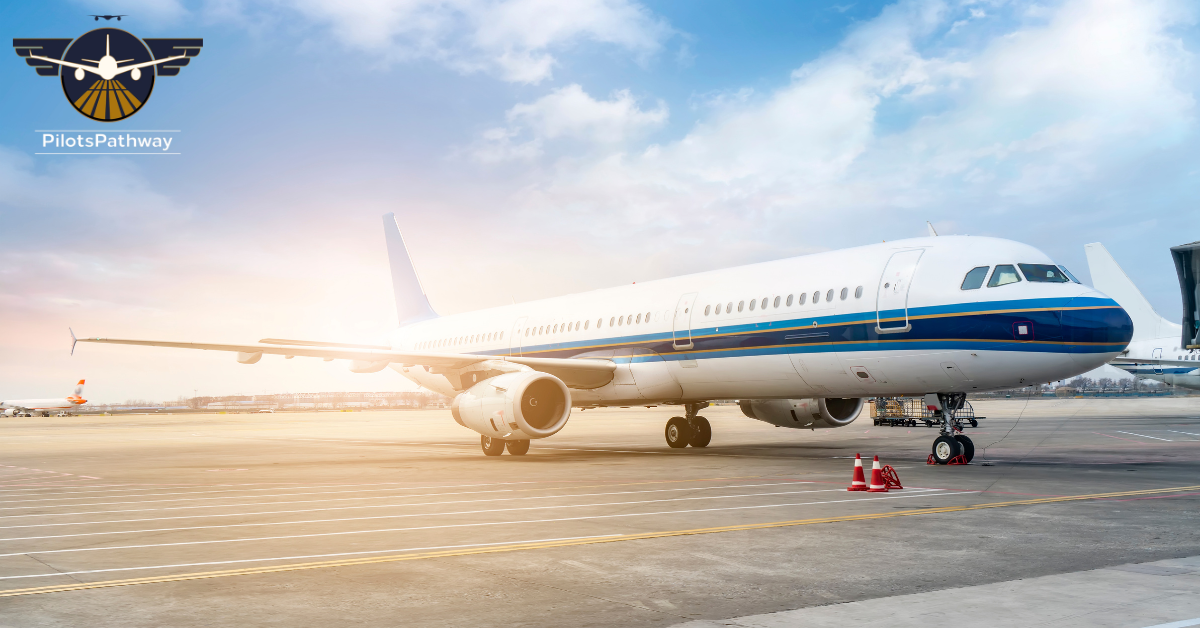
For many aspiring aviators, becoming a commercial pilot is more than just choosing a career. It is the first step towards turning a passion for flying into a profession. However, reaching the cockpit takes careful planning, consistent effort, and the right guidance. Understanding the training process early helps aspiring pilots make informed decisions and avoid common mistakes along the way
One of the biggest challenges aspiring pilots face is finding reliable information. Questions about commercial pilot license training cost in India, CPL flight classes, eligibility requirements, and the right flying school often leave students confused. Since pilot training is a significant investment of both time and money, having a clear understanding of the journey is essential before taking the first step.
Read More: Best DGCA Ground Classes in India: Why PilotsPathway is the Right Choice
This guide explains everything you need to know about the CPL course in India, including eligibility, training stages, estimated costs, and key factors to consider when choosing a flying school. You will also learn how foundation courses and the pilot psychometric test can help you prepare for airline recruitment. Whether you are starting your research after Class 12 or planning your aviation career, this guide will help you approach your journey with greater clarity and confidence.
What is commercial pilot license training?
Commercial Pilot License Training is a structured training program that prepares aspiring pilots to fly aircraft professionally. Approved by the DGCA, this training consists of classroom learning, simulator sessions, and practical flight instruction to develop the technical knowledge, flying skills, and decision-making abilities required for an aviation career.
Unlike introductory flying programs, Commercial Pilot License Training is designed specifically for individuals who want to pursue professional opportunities in the aviation industry. During a CPL course in India, students complete ground school, attend CPL flight classes, build the required flying hours, and clear DGCA examinations before becoming eligible to apply for a Commercial Pilot Licence.
Upon successful completion of the training and licensing requirements, commercial pilots can explore a wide range of opportunities across different sectors of aviation, including:
- Commercial airlines
- Charter and business aviation
- Cargo operations
- Flight instruction
- Aerial survey and specialized aviation services
While obtaining a Commercial Pilot Licence is a significant milestone, building a successful aviation career also requires continuous learning, medical fitness, and strong professional skills. Choosing a well-structured CPL course in India can provide the right foundation for long-term growth in the industry.
Who Can Apply for Commercial Pilot License Training?
Before enrolling in Commercial Pilot License Training, it is important to understand whether you meet the basic eligibility requirements. While the admission process may vary slightly across flying schools, the training and licensing requirements are governed by the Directorate General of Civil Aviation (DGCA). Reviewing these criteria early can help you plan your pilot training journey with greater confidence.
| Eligibility Criteria | Requirement |
| Age | Candidates must be at least 18 years old to obtain a Commercial Pilot Licence. |
| Educational Qualification | Completion of 10+2 with Physics and Mathematics from a recognized board or an equivalent qualification accepted by DGCA |
| Medical Fitness | Class II medical to start training, Class I medical before the CPL is issued |
| English Proficiency | Candidates should be able to read, write, speak, and understand English, as it is the standard language used in aviation. |
| Training and Examinations | Students must complete the required flying hours, pass DGCA examinations, and successfully finish their Commercial Pilot License Training. |
Before You Apply, Keep These Points in Mind:
- Confirm your eligibility before investing in commercial pilot license training.
- Schedule your DGCA medical examination as early as possible to avoid unnecessary delays.
- Ensure the flying school follows DGCA-approved training standards.
- Keep essential documents such as educational certificates, identity proof, passport, and medical records ready during the admission process.
Good to Know: If you didn’t study physics and mathematics in Class 12, you may still be eligible for commercial pilot license training by completing these subjects through NIOS or another DGCA-recognized equivalent qualification.
The Journey to Becoming a Commercial Pilot in India
Becoming a commercial pilot is a structured journey that combines classroom learning, practical flight training, and regulatory approvals. Although the training timeline may vary depending on the flying school, weather conditions, and individual progress, every aspiring pilot must complete the key stages prescribed by the DGCA.
Meet the Eligibility Requirements
Before beginning your commercial pilot license training, ensure you meet the DGCA’s eligibility requirements, including educational qualifications, medical fitness, and age criteria. Completing these formalities early helps make the admission process smoother.
Read More: How Long Does It Take to Become a Pilot? Step-by-Step Timeline Explained (2026)
Choose the Right Flying School
Selecting the right flying school is one of the most important decisions in your aviation journey. If you are considering a pilot training institute in Bangalore or any other DGCA-approved flying school, compare training quality, instructor experience, and aircraft availability before making a decision.
Before finalizing a pilot training institute in Bangalore or any other DGCA-approved flying school, consider:
- DGCA approval
- Aircraft availability
- Instructor experience
- Safety standards
- Simulator and ground training facilities
- Student support services
Complete Ground School Training
Ground school provides the theoretical knowledge required before practical flight training begins. During ground school, students typically study:
- Air Navigation
- Air Regulations
- Aviation Meteorology
- Technical General
- Radio Telephony (RTR) preparation
This knowledge provides a strong academic foundation before students begin CPL flight classes.
Begin CPL Flight Classes
After completing ground school, students begin CPL flight classes where certified flight instructors help them develop practical flying skills step by step. Training progresses from basic aircraft handling to solo flights, cross-country navigation, instrument flying, and emergency procedures, helping students develop the practical skills required for professional flying. Regular CPL flight classes also help students gain confidence in real flying conditions.
Complete the Required Flying Hours
One of the biggest milestones during pilot training is completing the minimum flying hours prescribed by the DGCA. These hours are earned through dual instruction, solo flights, cross-country navigation, instrument flying, and other mandatory flight exercises that prepare students for professional flying responsibilities. These flying hours are completed through structured CPL flight classes and supervised flight training. Call 92570 47450 for the Pilot Course in India
Clear DGCA Examinations
Alongside flight training, students must clear the required DGCA examinations that assess their understanding of aviation theory, regulations, navigation, and operational procedures. Consistent preparation during ground school, combined with practical training, helps build the knowledge and confidence needed to complete these assessments.
Obtain Your Commercial Pilot License
Once you have completed the required flying hours, met the prescribed medical standards, and passed the DGCA examinations, you become eligible to obtain your Commercial Pilot Licence (CPL), allowing you to pursue professional opportunities in the aviation industry.
Prepare for Airline Recruitment
Obtaining a commercial pilot license is a significant achievement, but it is only the beginning of your professional journey. Many airlines have their own recruitment process, which may include aptitude assessments, simulator evaluations, interviews, group discussions, and pilot psychometric tests. Preparing for these stages alongside your flight training can strengthen your overall readiness for an aviation career.
Read More: Pilot Training In India: Student Challenges and Practical Reality Check
Commercial Pilot License Training Cost in India
One of the most common questions aspiring pilots ask is, How much does commercial pilot license training cost in India? The commercial pilot license training cost in India depends on several factors, including the flying school, aircraft used for training, location, and the number of flying hours required. Understanding the commercial pilot license training cost in India in advance can help you plan your budget more effectively and make informed decisions after understanding the commercial pilot license training cost in India.
The table below provides an approximate breakdown of the major expenses involved in commercial pilot license training.
| Training Component | Estimated Cost (INR) |
| Ground School and Theory Training | ₹2 lakh – ₹4 lakh |
| Flight Training and Flying Hours | ₹35 lakh – ₹55 lakh |
| DGCA Medicals, Exams, and License Fees | ₹50,000 – ₹1 lakh |
| Study Materials & Flying Equipment | ₹50,000 – ₹1 lakh |
Estimated Total Cost: ₹40 lakh – ₹60 lakh (the commercial pilot license training cost in India may vary depending on the flying school and your individual training requirements.)
What Factors Affect the Overall Training Cost?
The commercial pilot license training cost in India can vary from one student to another. Some of the key factors that influence the overall investment include:
- Type of aircraft used for flight training
- Reputation and location of the flying school
- Additional flying hours, if required
- Accommodation and personal living expenses (if relocating for training)
- Fuel price revisions and operational costs
- Individual learning pace and training duration
While the commercial pilot license training cost in India is an important consideration, it shouldn’t be the only deciding factor. Comparing the quality of training, instructor experience, safety standards, and student support alongside the overall investment can help you choose a CPL course in India that aligns with your long-term aviation goals.
Why Consider a Foundation Course Before Flight Training?
Preparing for a CPL course in India involves much more than meeting the eligibility criteria. Many aspiring pilots choose a foundation course to strengthen their understanding of aviation concepts before beginning formal flight training. It helps students build confidence and develop the academic skills needed throughout a CPL course in India.
A well-designed foundation course typically helps students:
- Understand aviation fundamentals and terminology
- Strengthen physics and mathematics concepts
- Improve English communication skills
- Prepare for DGCA examinations
Students from different educational backgrounds often begin their aviation journey with varying levels of preparation. A foundation course provides an opportunity to build essential knowledge before entering flight training, helping students adapt more confidently to CPL flight classes and practical learning. Developing these fundamentals early can help students approach their training with greater confidence and a clearer understanding of what lies ahead.
Preparing for the Pilot Psychometric Test
Along with technical knowledge and flying skills, many airlines also evaluate how candidates think, communicate, and respond to different situations during the recruitment process. This is where a pilot psychometric test becomes an important part of airline selection.
Rather than testing aviation knowledge, a pilot psychometric test is designed to assess qualities such as logical reasoning, decision-making, situational awareness, teamwork, and the ability to perform under pressure. Developing these skills during CPL flight classes and flight training can help students prepare more effectively for airline assessments.
While every airline follows its own recruitment process, becoming familiar with the format of a pilot psychometric test early in your training can improve both confidence and overall readiness.

Turn Your Aviation Goals into Reality
Choosing the right path to becoming a commercial pilot involves more than completing flight training. From selecting the right CPL course in India to understanding the commercial pilot license training cost in India and preparing for airline recruitment, every decision plays an important role in shaping your aviation career.
At PilotsPathway, we support aspiring pilots through our Training centers in Jaipur and Bangalore with personalized career guidance, admission support, and expert mentorship throughout their commercial pilot license training journey. Whether you’re exploring training options or preparing for airline selection, our team is here to help you make informed decisions with confidence.
Take the next step towards your aviation career with expert guidance from PilotsPathway.
Conclusion
A career in aviation offers exciting opportunities, but success begins with making informed decisions at every stage of your journey. From understanding commercial pilot license training and planning your pilot training journey for airline recruitment, every step contributes to building a strong foundation for your future.
Read More: Top Countries & Their Best Flying Schools for Pilot Training in 2026?
While the path requires dedication, careful planning, and continuous learning, the right guidance can help you navigate it with confidence. Whether you’re just starting your research or ready to begin your training, investing in the right preparation today can bring you one step closer to a rewarding career in the aviation industry.
FAQs
1. How can I prepare before joining a CPL course in India?
Before enrolling in a CPL course in India, compare DGCA-approved flying schools, including a pilot training institute in Bangalore. If you are exploring training options there, understand the commercial pilot license training cost in India, complete the required medical examination, and familiarize yourself with the training process. Preparing in advance can help you make informed decisions and begin your commercial pilot license training with greater confidence.
2. Can I join a CPL course in India after graduation?
Yes. Graduates can enroll in a CPL course in India, provided they meet the DGCA eligibility requirements, including the required educational qualifications, medical fitness, and other applicable licensing requirements.
3. Will I get an airline job immediately after completing my CPL?
Obtaining a Commercial Pilot Licence (CPL) is a significant milestone, but airline recruitment depends on factors such as your performance during assessments, airline hiring requirements, market demand, and overall preparation. Building the right skills and preparing for airline selection can improve your career opportunities.
4. Can I complete commercial pilot license training in India without prior flying experience?
Yes. Prior flying experience is not required to begin commercial pilot license training. Students begin with aviation fundamentals through ground school before progressing to CPL flight classes and practical training under certified flight instructors. Consistent CPL flight classes help students build confidence before advancing to more complex flight operations. This structured approach helps aspiring pilots develop the knowledge and skills required for a successful aviation career