
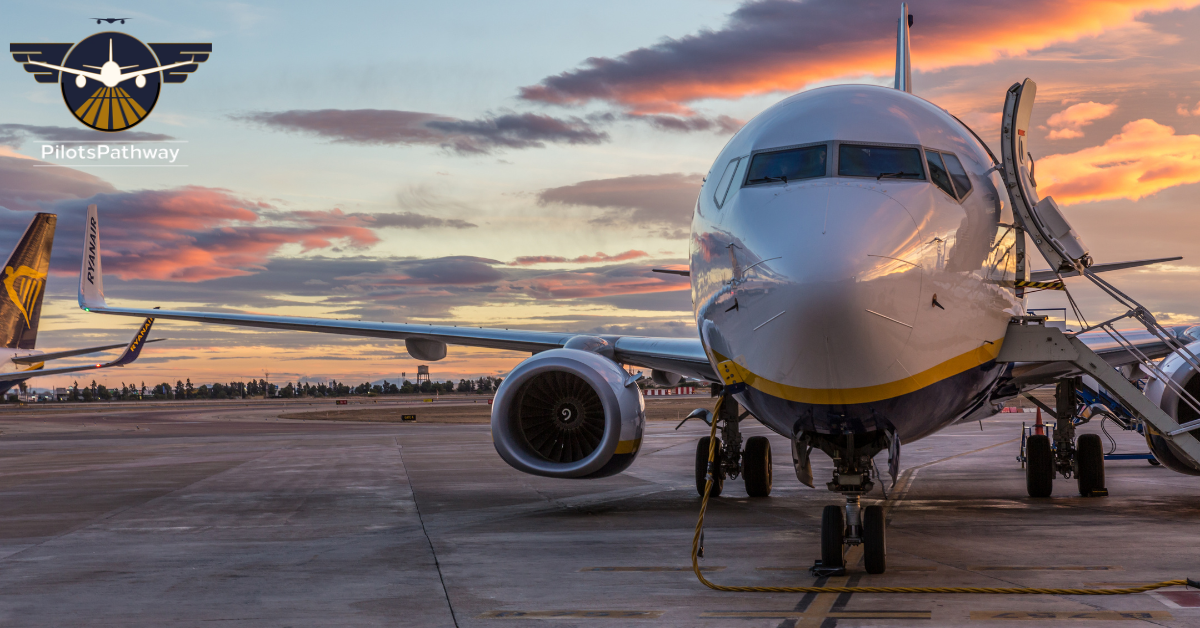
India’s rapidly growing aviation sector is creating new opportunities for professionals seeking a career with an airline company in India. From commercial pilot to cabin crew to technician, airline companies in India offer a wide range of career options. A career with an airline company in India offers opportunities across both flying and non-flying roles.
If you are aspiring to work in an airline company in India, then you need to understand that getting a job involves much more than just completing the course. Many students also wonder, “How do you become a pilot, and where does the journey begin?” To get opportunities in an airline company in India, various factors play an important role, including desired qualifications, skills, and proper planning, among others.
Whether you are planning to be cabin crew or a commercial pilot, this article will help you step by step with how to choose the right pilot training institute in India, explore cadet courses, understand foundation course fees, or enrol in airline preparation classes, which in turn will strengthen your readiness for airline recruitment.
Read More: Best DGCA Ground Classes in India: Why PilotsPathway is the Right Choice
Why choose a career with an airline company in India?
Many aspiring candidates often wonder, Why choose a career with an airline company in India? What are the benefits of this? So let’s discuss one by one.
The aviation sector provides a lot of diverse global career opportunities. Be it in airport management, travel agencies, or luxury hotels. Compared to other career options, the aviation industry offers faster career growth. It also offers comparatively quicker entry into the workforce.
Although a commercial pilot remains one of the most favorite career choices in the aviation sector, this industry offers several rewarding roles, depending on candidate qualifications and interests. You can explore roles as a cabin crew member, aircraft maintenance engineer, airport operations professional, or flight dispatcher.
As the aviation sector continues to expand, demand for jobs will flourish. This growth is creating new opportunities with almost every airline company in India, making aviation an attractive career option.
However, choosing the right career path with the required training and skills is equally important. For that, understanding the right training program and requirements is a crucial step.
Different career opportunities in an airline company in India
The aviation sector gives a wide range of opportunities to excel in a career, be it as a commercial pilot, cabin crew, customer service, technician, or maintenance support. We will discuss these in brief, one by one, so that you get better clarity.
Commercial Pilot
They are responsible for operating aircraft while ensuring the safety of passengers and crew. To become a commercial pilot, one must obtain a commercial pilot license and pilot course fees in jaipur meet other conditions, as required by DGCA and airlines from time to time. This career requires technical knowledge, decision-making skills, and discipline.
Cabin Crew
Cabin crews play a crucial role in the operation of airlines. Their roles include, but are not limited to, safety and security of passengers, customer service, including greeting passengers and assisting them with their luggage, and administrative tasks like attending pre-flight briefings and managing stock levels. Other than the desired qualifications, this role requires excellent communication skills, confidence, and professionalism.
Aircraft Maintenance Engineer (AME)
The aircraft maintenance engineer role is very crucial, as they are responsible for inspecting, maintaining, and certifying the aircraft before they are ready for takeoff.
This role requires specialized training and a good understanding of aircraft systems and maintenance procedures.
Ground staff and airport operations
Ground staff ensure the smooth functioning of airport and airline operations. They have a wide range of responsibilities, which include passenger check-in, providing assistance in boarding, flight coordination, and dedicated customer support. They make sure daily operations run effectively and on schedule.
Flight dispatcher and operations
They work closely with pilots to provide support for safe and efficient flight operations. They assist in weather forecasting (analysis), calculate the fuel required for a flight and route planning, and provide alternate route plans to pilots in case of emergency.
Read More: How Long Does It Take to Become a Pilot? Step-by-Step Timeline Explained (2026)
These are some important career opportunities available as a career in the aviation sector. Each role requires different skills and qualifications. Understanding these differences can help you choose the right aviation career.
How Do You Become a Pilot?
For many aviation enthusiasts, becoming a commercial pilot is one of the most rewarding career paths in an airline company in India. If you are wondering how do you become a pilot, the journey involves meeting the required eligibility criteria, completing professional flight training, obtaining a Commercial Pilot Licence (CPL), and preparing for airline recruitment. While the exact pathway may differ depending on whether you choose the traditional CPL route or cadet courses, every aspiring pilot is required to complete a structured training process approved by the Directorate General of Civil Aviation (DGCA).
Meet the Eligibility Requirements
The journey begins by meeting the basic eligibility criteria. Candidates are generally required to have completed Class 12 with physics and mathematics from a recognized board. Those who have not studied these subjects can complete them through approved alternatives before applying for pilot training. Before enrolling in a pilot training institute in India, make sure you understand the eligibility requirements and training pathway. Since English is the internationally accepted language of aviation, good communication skills are also valuable throughout training and recruitment.
Complete Flight Training and Obtain a CPL
The next step is to enroll in a pilot training institute in India that offers DGCA-approved training. During the program, students undergo ground school, complete the required flying hours, and clear the prescribed DGCA examinations and skill assessments. Completing these requirements leads to the issue of a Commercial Pilot Licence (CPL), which is an essential qualification for pilot opportunities with an airline company in India.
Prepare for Airline Recruitment
After obtaining a CPL, aspiring pilots prepare for airline recruitment, which may include aptitude tests, technical interviews, simulator assessments, and personal interviews. Many students choose airline preparation classes to become familiar with airline assessment formats and improve their readiness, while others opt for cadet courses designed around airline-specific selection processes. Understanding how do you become a pilot means preparing for every stage of airline recruitment, not just earning a license
While this provides an overview of the pilot training journey, choosing the right pilot training institute in India and understanding different preparation pathways are equally important. Let’s explore these aspects in the following sections.

What to Look for in a Pilot Training Institute in India
Selecting a pilot training institute in India is one of the most important decisions for aspiring pilots. While many students compare institutes based on course fees, a well-informed decision requires looking beyond the cost. The quality of training, learning environment, and industry standards can all influence your overall training experience and readiness for a career with an airline company in India.
One of the first things to verify is whether the pilot training institute in Bangalore is approved by the Directorate General of Civil Aviation (DGCA). It is equally important to evaluate the availability of training aircraft, the experience of flight instructors, and the quality of ground school. An institute with well-maintained aircraft, experienced instructors, and structured training can help students develop both technical knowledge and practical flying skills.
Prospective students should also consider factors such as safety practices, training infrastructure, student support, and the institute’s approach to scheduling flying hours. Speaking with current students or alumni can provide valuable insights before enrolling.
Visiting multiple pilot training institutes in India can also help you compare facilities, instructors, and overall training quality. Ultimately, choosing a pilot training institute in India is about finding an environment that supports long-term learning and professional growth. Taking the time to compare different options can help aspiring pilots build a strong foundation for a successful career in an airline company in India. Every aspiring pilot should take time to evaluate a pilot training institute in India based on training quality rather than only course fees.
Read More: Top Countries & Their Best Flying Schools for Pilot Training in 2026?
Preparing for Airline Recruitment: Cadet Courses and Airline Preparation Classes
For many aspiring pilots, earning a Commercial Pilot Licence (CPL) is only one stage of the journey. Many candidates also explore airline preparation classes to better understand the recruitment process followed by different airlines. The next step is preparing for airline recruitment, where candidates are assessed on both their technical knowledge and overall aptitude. This is where cadet courses and airline preparation classes can play an important role.
Airline cadet courses are structured training programs designed in collaboration with airlines to prepare candidates for airline-specific recruitment and training. Before enrolling, compare foundation course fees, program structure, and training outcomes. Since the selection process is often competitive, many students choose cadet courses early to strengthen the skills required during assessments.
Similarly, airline preparation classes are designed to help candidates become familiar with aptitude tests, technical interviews, group discussions, and HR interviews that are commonly included in airline recruitment. Some airline preparation classes include mock interviews and practice assessments. These programs focus on improving communication, problem-solving, and interview skills while helping candidates understand the expectations of an airline company in India. For Pilot Courses, call +9257 47450
While success ultimately depends on a candidate’s preparation and performance, the right guidance can help aspiring pilots approach the airline recruitment process with greater confidence and a clearer understanding of what airline recruiters expect.
Conclusion
Building a successful career with an airline company in India requires the right combination of education, training, practical flying experience, and preparation for the recruitment process. Whether you choose a traditional pathway or cadet courses, understanding the recruitment process of an airline company in India can help you make informed decisions. For aspiring pilots, combining quality flight training with airline preparation classes can further strengthen readiness for airline recruitment. With the right guidance and consistent effort, you can confidently take steps towards a rewarding career in an airline company in India.
FAQs
1. How do I know if a pilot career is the right choice for me?
A career as a pilot requires more than a passion for flying. It involves meeting DGCA eligibility requirements, maintaining medical fitness, completing rigorous flight training, and continuously developing technical and decision-making skills. Before starting your journey, understanding how do you become a pilot, consider your career goals, financial commitment, and long-term aspirations to determine whether this career path aligns with your interests. Researching a pilot training institute in India is an important early step in planning your aviation career.
2. Can I join an airline company in India without becoming a pilot?
Yes. Airlines offer a wide range of career opportunities beyond piloting, including cabin crew, aircraft maintenance engineering, flight dispatch, ground operations, customer service, cargo management, and airport operations. The qualifications and training requirements vary by role, allowing candidates from diverse educational backgrounds to build rewarding careers in the airline industry in India.
3. What is the next step after obtaining a Commercial Pilot Licence (CPL)?
Obtaining a Commercial Pilot Licence (CPL) is a significant milestone in a pilot’s journey. Many aspiring pilots also enroll in airline preparation classes to strengthen their technical knowledge and interview skills before applying to airlines. The next step is preparing for airline recruitment, which may involve technical assessments, simulator evaluations, interviews, and medical examinations, depending on the airline. Understanding these requirements in advance can help aspiring pilots prepare more effectively and approach the recruitment process with greater confidence.
4. How are cadet courses different from the traditional CPL route?
Both pathways can lead to a career as a pilot, but they differ in structure. The traditional CPL route involves completing flight training independently before applying to airlines. In contrast, cadet courses follow an airline-oriented training pathway and may include additional assessments, simulator training, and recruitment preparation. The right options depend on your career goals, eligibility, foundation course fees, airline requirements, and long-term career plans.