
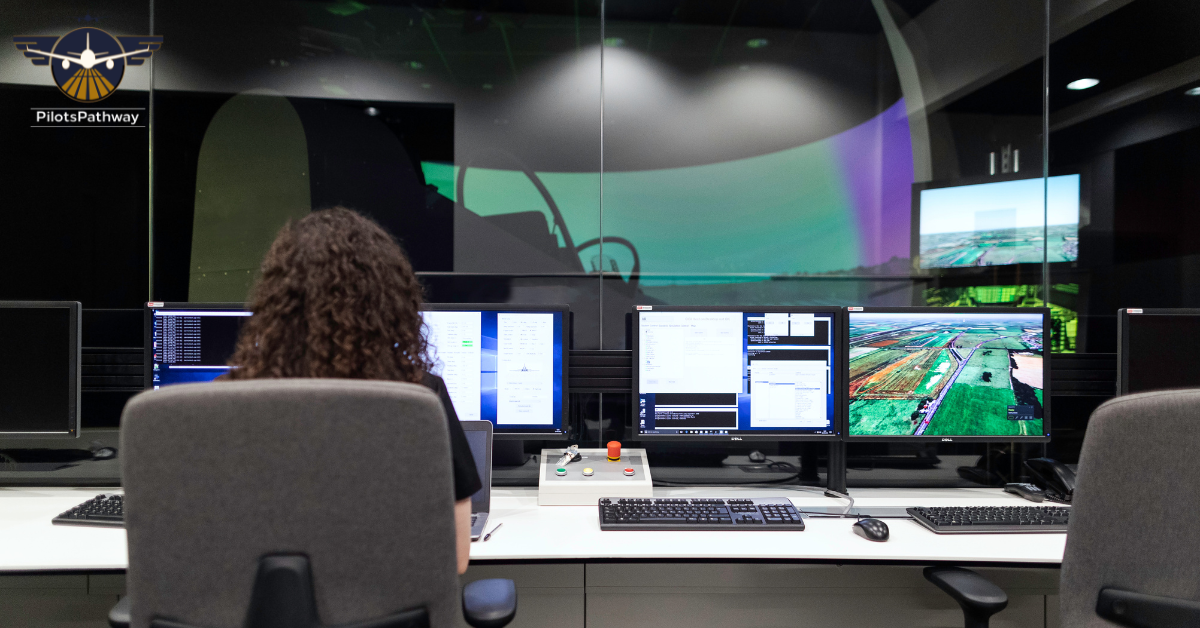
Aviation is often associated with flying skills, yet some of the qualities that define a competent pilot are developed long before an aircraft leaves the ground. The ability to make sound decisions, remain composed under pressure, adapt to changing situations, and follow structured processes can influence flight performance just as much as technical knowledge. As pilot training continues to evolve, a flight simulator in India is increasingly being used to help aspiring aviators develop these capabilities in a practical and controlled environment.
More than a training device, a flight simulator in India for pilot training allows students to experience realistic operational scenarios, apply classroom concepts, and strengthen their problem-solving abilities without the constraints of real-world flying. From managing unexpected situations to improving situational awareness, simulator-based learning helps transform theoretical understanding into practical competence.
Read More: PPL License Cost in India 2026: Understanding the Complete Investment
As aviation becomes more competitive, many aspiring pilots are turning to a flight simulator to enhance their preparation for cadet courses, advanced training pathways, and future airline opportunities. Understanding its role can provide valuable insight into how modern pilot skills are developed beyond the cockpit.
What Is a Flight Simulator in India?
A flight simulator in India is a training system designed to recreate real-world flying conditions in a controlled environment, allowing aspiring pilots to apply aviation knowledge in practical scenarios. Rather than focusing solely on aircraft handling, simulator-based learning enables students to experience decision-making, operational procedures, and scenario-based training that closely reflect modern aviation practices.
Today, a flight simulator in India for pilot training is widely used to help students bridge the gap between classroom learning and practical application. By exposing trainees to different flight situations, weather conditions, and operational challenges, a flight simulator encourages structured thinking, situational awareness, and procedural accuracy without the limitations associated with actual flight operations.
As pilot training methodologies continue to evolve, the role of a flight simulator in India has expanded beyond basic familiarization. It has become an important learning platform that supports skill development, strengthens training readiness, and helps aspiring pilots prepare more effectively for the demands of professional aviation.
Why Is Simulator-Based Learning Important in Modern Pilot Training?
Pilot training today is not just about studying aviation theory and completing flying hours. Pilots are expected to make good decisions, follow procedures correctly, and handle different situations with confidence. This is why simulator-based learning has become an important part of modern pilot training
A flight simulator in India allows students to apply what they learn in the classroom to realistic training scenarios. Through a flight simulator in India for pilot training, aspiring pilots can gain practical experience, understand how different situations may unfold, and build confidence through regular practice.
As aviation training continues to evolve, many institutions now use flight simulators to help students learn more effectively and prepare for the responsibilities of a professional flying career.
How a Flight Simulator in India Builds Pilot Skills Beyond the Cockpit
Strengthens Decision-Making and Judgement
Every flight requires pilots to assess information, prioritize actions, and make informed decisions. A flight simulator in India gives aspiring pilots the chance to work through different situations and see how choices can shape outcomes. Repeated exposure to scenario-based training encourages structured thinking and helps students develop sound judgement, a skill that remains valuable throughout a pilot’s career.
Turns Aviation Theory Into Practical Understanding
Aviation theory forms the foundation of pilot training, but true understanding develops when those concepts are applied in practice. A flight simulator in India for pilot training helps students connect classroom learning with real-world applications, making complex concepts easier to interpret and remember. This practical exposure can strengthen learning and create a deeper understanding of aviation operations.
Creates Opportunities for Continuous Improvement
One of the key advantages of simulator-based learning is the opportunity to revisit scenarios and apply lessons learned immediately. A flight simulator allows students to repeat exercises, analyze their performance, and refine their approach in a controlled environment. This process encourages continuous improvement while helping aspiring pilots strengthen their understanding through practical repetition.
Prepares Students for the Demands of Pilot Training
Pilot training requires discipline, adaptability, and a willingness to learn in dynamic environments. A flight simulator in India helps students become familiar with these expectations by exposing them to a variety of training situations. This experience can contribute to stronger preparation and help aspiring pilots approach future training stages with greater readiness.
Read More: Best Breaking Barriers in Aviation: Building a Successful Career as a Pilot for Girls
How Flight Simulators Support Cadet Courses and Airline Assessment Preparation
Many aspiring pilots begin their aviation journey through cadet courses, which are designed to prepare students for airline-focused training pathways. These programs often assess not only technical knowledge but also a candidate’s ability to think logically, follow procedures, and perform effectively in structured environments. This is where a flight simulator in India can add meaningful value.
By exposing students to practical aviation scenarios, simulator-based learning helps bridge the gap between theory and application. A flight simulator in India for pilot training allows aspiring pilots to become more comfortable with operational thinking, decision-making, and structured task management – skills that are valuable throughout cadet courses and future aviation training.
Similarly, airline assessment preparation is not limited to academic knowledge alone. Candidates are expected to demonstrate confidence, adaptability, and a disciplined approach to problem-solving. While simulator training is not a substitute for formal airline assessment preparation, a flight simulator in India can help students gain familiarity with aviation-oriented environments and strengthen skills that support overall readiness.
For many aspiring aviators, simulator-based learning serves as a valuable complement to both cadet courses and airline assessment preparation, helping them approach future opportunities with greater awareness, preparation, and confidence.
How Flight Simulators Complement DGCA Ground Classes in Bangalore
Strong theoretical knowledge is an important part of pilot training, but understanding concepts and applying them effectively are often two different things. Many students attending DGCA Ground Classes in Bangalore use simulator-based learning to strengthen their understanding of subjects such as navigation, meteorology, flight planning, and aviation procedures. A flight simulator in India helps bridge this gap by allowing students to see how classroom concepts connect to practical aviation scenarios.
| Learning Area | How Simulator Training Helps |
| Air Navigation | Connects theoretical concepts with practical application |
| Meteorology | Improves understanding of changing flight conditions |
| Flight Planning | Reinforces planning and decision-making skills |
| Aviation Procedures | Supports structured and procedural thinking |
| Operational Awareness | Encourages practical understanding of aviation environments |
For many aspiring pilots, combining DGCA Ground Classes in Bangalore with a flight simulator in India for pilot training can create a more well-rounded learning experience. Training providers such as PilotsPathway complement classroom instruction with simulator-based learning, helping students connect theoretical concepts with practical application.
While simulator training does not replace theoretical instruction, it can strengthen understanding and improve learning outcomes. As a result, many students pursuing DGCA Ground Classes in Bangalore also explore Flight Simulator sessions to build a stronger foundation before progressing to more advanced stages of training.

Who Should Consider Simulator-Based Training?
A flight simulator in India is not limited to a specific stage of pilot training. Whether someone is just beginning their aviation journey or preparing for more advanced opportunities, simulator-based learning can provide valuable practical exposure and help strengthen key aviation skills. It allows students to apply concepts in a structured environment while becoming more familiar with the expectations of professional pilot training.
Simulator-based learning may be particularly beneficial for:
- Students exploring cadet courses and airline-focused training pathways
- Aspirants preparing for airline assessment preparation programs
- Learners attending DGCA Ground Classes in Bangalore who want to complement theory with practical exposure
- Individuals seeking a flight simulator in India for pilot training before progressing to advanced aviation training
- Aspiring pilots who want additional learning opportunities through a flight simulator and a stronger understanding of aviation operations
Regardless of their current stage, many students use a flight simulator in India to build a stronger training foundation and prepare more effectively for future aviation challenges.
How to Get the Most Out of Simulator-Based Training
A flight simulator in India can offer much more than a training session when used with the right approach. Instead of focusing only on completing simulator hours, students should use each session as an opportunity to strengthen a specific skill or improve a particular area of understanding.
To get the most value from a flight simulator in India for pilot training, aspiring pilots should set clear learning objectives, participate actively during sessions, and review their performance afterwards. Combining simulator-based learning with classroom instruction can also help reinforce key aviation concepts.
With consistency and a willingness to learn, a flight simulator in India for pilot training can become a valuable part of an aspiring pilot’s overall development.
Build Skills Before You Fly
Every successful pilot begins by building the right foundation through knowledge, preparation, and practical learning. At PilotsPathway, aspiring aviators can experience a flight simulator in India for pilot training as part of a structured learning environment designed to complement classroom instruction and strengthen essential aviation skills. A flight simulator in India for pilot training allows students to apply concepts in realistic scenarios, gain valuable exposure, and develop a deeper understanding of aviation operations.
Read More: Best DGCA Class 1 Medical: Cleared to Dream, Certified to Fly
Whether you are exploring aviation as a career, preparing for future training opportunities, or looking to enhance your overall learning experience, PilotsPathway provides access to a flight simulator in India and practical training tools that support long-term development. Take the next step and discover how simulator-based learning can help you build a stronger aviation foundation.
Conclusion
The path to becoming a pilot is shaped by a series of learning experiences that gradually build knowledge, discipline, and professional awareness. While classroom instruction remains an essential part of aviation education, modern training increasingly encourages students to engage with learning in a more interactive and applied manner.
In this evolving environment, a Flight Simulator in India for pilot training serves as a valuable complement to traditional training methods. It gives aspiring pilots an opportunity to explore aviation concepts from a different perspective and gain exposure to situations that enhance their overall understanding of the profession.
Ultimately, aviation training is not about mastering a single skill but about developing the mindset and adaptability required for a long-term career. For students committed to continuous learning, every training experience contributes to becoming a more capable and prepared aviation professional.
FAQs
1: How often should students use a flight simulator during pilot training?
The ideal frequency depends on a student’s training goals and stage of learning. Some students use simulator sessions periodically to reinforce concepts, while others include them more regularly as part of their preparation. Consistency is generally more beneficial than occasional practice, as it allows students to build familiarity and improve over time.
2: Can simulator training help students understand aviation subjects more effectively?
Yes. Many students find that simulator-based learning helps them visualize and apply concepts introduced during classroom instruction. By seeing how aviation principles work in practical situations, learners can often develop a clearer understanding of topics and improve knowledge retention.
3: Is prior flying experience required before using a flight simulator?
No. Many training providers introduce simulator-based learning to students with little or no flying experience. Simulator sessions can provide an accessible way to explore aviation concepts, understand procedures, and become familiar with a structured training environment before progressing further.
4: What should students look for when choosing a simulator training provider?
One of the key advantages of simulator-based learning is the opportunity to revisit scenarios and apply lessons learned immediately. A flight simulator allows students to repeat exercises, analyze their performance, and refine their approach in a controlled environment. This process encourages continuous improvement while helping aspiring pilots strengthen their understanding through practical repetition.
5: Can simulator-based learning benefit students who are still exploring aviation as a career?
Absolutely. Simulator sessions can help individuals gain a better understanding of aviation training and the responsibilities associated with becoming a pilot. For those considering aviation as a career path, it can offer useful exposure before making longer-term training commitments.