
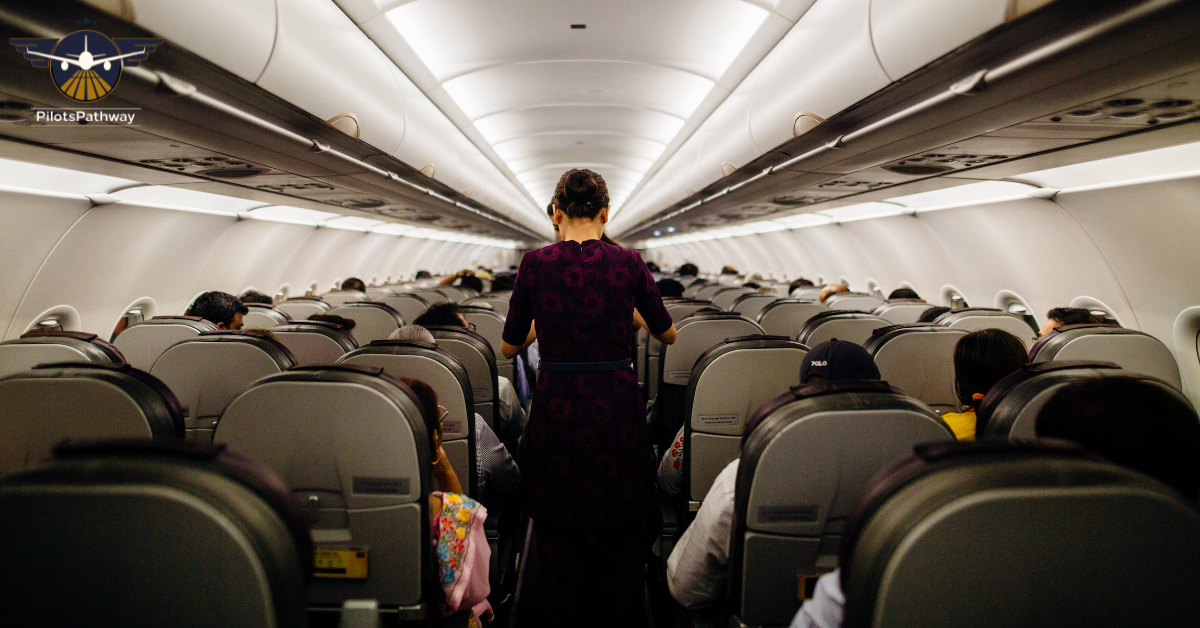
A common misconception among aspiring aviation professionals is that technical knowledge alone determines who gets hired. While qualifications, certifications, and training are important, airlines often evaluate something less visible but equally critical—attitude. In many cases, two candidates may possess similar technical skills, yet the one who demonstrates professionalism, adaptability, and a strong learning mindset leaves a stronger impression during the selection process.
This is one of the reasons why airlines hire for attitude before focusing solely on technical capabilities. Modern airline operations depend on teamwork, communication, discipline, and the ability to perform consistently in dynamic environments. These qualities influence not only individual performance but also the overall safety and efficiency of airline operations.
Read More: Flight Simulator Training Bengaluru: What to Expect Before Your First Aviation Training Experience
For aspiring pilots exploring an Air India career or preparing through a pilot training institute, understanding what airlines value beyond technical competence can provide a significant advantage. In this article, we will explore why airlines hire for attitude, the qualities recruiters look for, and what this hiring philosophy means for your long-term aviation career.
Why Do Airlines Prioritize Attitude During Hiring?
Airlines operate in environments where safety, teamwork, and consistency are non-negotiable. While technical skills can be developed through training programs, simulator sessions, and operational experience, attitude influences how individuals apply those skills in real-world situations. This is one of the key reasons airlines hire for attitude when evaluating potential candidates.
Every flight involves coordination between pilots, cabin crew, ground staff, engineers, and air traffic services. A candidate who demonstrates professionalism, accountability, and a willingness to learn is often viewed as someone who can adapt more effectively to the demands of airline operations. In contrast, strong technical abilities alone may not compensate for poor communication, lack of discipline, or an inability to work effectively within a team.
This hiring philosophy can be seen across different segments of the aviation industry. Whether candidates are pursuing an Air India career or opportunities with other airlines, recruiters often assess behavioral qualities alongside technical competence. As a result, airlines hire individuals who not only meet operational requirements but also align with the values, expectations, and culture of professional aviation.
What Does Attitude Actually Mean in Aviation?
When airlines hire for attitude, they are not simply evaluating whether a candidate appears confident or approachable during an interview. In aviation, attitude shows up in behaviors that affect safety, decision-making, communication, and operational reliability. These qualities matter most in environments where consistency and adherence to procedures are essential.
For aviation professionals, attitude shows up in actions rather than words. It shows in how individuals respond to feedback, manage responsibilities, communicate with colleagues, and maintain professionalism in both routine and challenging situations. Airlines understand that technical competence alone does not determine operational effectiveness. The ability to remain disciplined, adaptable, and solution-oriented often plays an equally important role.
As technologies evolve and operational requirements change, candidates with a strong learning mindset are often better positioned to adapt and grow within the industry. For individuals pursuing an Air India career or opportunities with other carriers, understanding how attitude is assessed can provide valuable insight into airline recruitment expectations. This is why airlines hire for attitude alongside technical competence when evaluating future aviation professionals.
Skills Airlines Can Train vs. Professional Qualities Airlines Look For
One of the key reasons airlines hire for attitude is that technical skills and professional qualities are developed in different ways. Airlines can provide structured training to help employees learn procedures, systems, and operational requirements. However, qualities such as discipline, accountability, and adaptability are often built through personal habits, experiences, and professional conduct over time.
For aspiring aviation professionals, understanding this distinction can be valuable. It explains why candidates with similar qualifications may perform differently during interviews, assessments, and training programs. While technical competence remains essential, airlines also evaluate how individuals approach learning, handle responsibility, and contribute within team environments.
| Skills Learned During Training | Professional Qualities Airlines Look For |
| Aircraft systems knowledge | Accountability |
| Standard Operating Procedures (SOPs) | Professionalism |
| Flight planning techniques | Discipline |
| Aircraft-specific training | Adaptability |
| Simulator procedures | Learning mindset |
| Technical communication protocols | Team-oriented behavior |
| Operational workflows | Responsibility under pressure |
This comparison highlights why airlines hire individuals who demonstrate the right mindset alongside technical potential. For students preparing through a pilot training institute, participating in programs such as Flight Simulator Jaipur, or even beginning their research with searches like Private Pilots License Near Me, developing professional habits early can be just as important as building technical knowledge. These qualities not only support training success but can also strengthen long-term prospects in an Air India career and other aviation opportunities.
How Do Airlines Identify Attitude During Selection?
When airlines hire for attitude, recruiters rarely rely on direct questions alone. Instead, they evaluate how candidates behave, communicate, and respond to different situations throughout the selection process. The goal is to understand whether an individual can operate effectively within a professional aviation environment and adapt to the demands of airline operations.
Read More: CPL Training Mumbai: How to Choose the Right Path for a Successful Pilot Career
Airlines often assess attitude through:
- Behavioral interviews that explore past experiences, decision-making, and problem-solving approaches.
- Scenario-based questions designed to understand how candidates respond to challenges, pressure, and unexpected situations.
- Group activities and discussions that help recruiters observe communication, teamwork, and collaboration skills.
- Simulator or assessment exercises that provide insight into situational awareness, composure, and operational thinking.
- Interactions throughout the recruitment process, including punctuality, professionalism, and responsiveness.
These assessment methods help recruiters evaluate qualities that may not be visible through technical qualifications alone. This is one of the reasons airlines hire for attitude, as behavioral characteristics often become evident through actions rather than answers.
For candidates pursuing an Air India career or opportunities with other carriers, understanding how attitude is assessed can be an important part of preparation. Ultimately, airlines hire individuals who demonstrate professionalism, consistency, and a willingness to learn throughout the recruitment journey.
Why Aviation Training Extends Beyond Technical Learning
Many aspiring aviators begin their journey by researching topics such as Private Pilots License Near Me, training eligibility, or flight hour requirements. While these are important considerations, aviation training is about much more than acquiring technical knowledge. The aviation industry expects future professionals to develop the judgement, discipline, and operational awareness required to perform effectively in real-world environments.
A quality pilot training institute does more than teach aviation theory and flight procedures. It introduces students to structured learning environments where preparation, communication, and adherence to professional standards become part of everyday training. These experiences help aspiring pilots understand the expectations they are likely to encounter throughout their careers.
Practical learning opportunities also play a significant role in aviation development. Experiences such as Flight Simulator Jaipur sessions allow students to apply procedures, respond to changing scenarios, and strengthen decision-making abilities in controlled environments. Beyond technical proficiency, simulator-based learning helps reinforce the importance of situational awareness, teamwork, and effective communication.
This broader approach to aviation education helps explain why airlines hire for attitude alongside technical competence. By the time candidates enter airline recruitment processes, many of the qualities valued by employers have already been shaped through training experiences, professional exposure, and consistent engagement with aviation standards.
What This Means for an Air India Career
Understanding why Airlines Hire for Attitude provides valuable context for how modern airline recruitment decisions are made. While technical qualifications remain important, airlines also assess how candidates adapt, communicate, and perform in team-oriented environments.
This is especially relevant for those pursuing an Air India career. Candidates with similar qualifications often achieve different outcomes based on their performance during assessments, interviews, and training. As a result, preparing for an Air India career involves developing both technical knowledge and the mindset required for airline operations.
A quality pilot training institute and practical exposure through Flight Simulator Jaipur programs can help students better understand these expectations. Ultimately, airlines hire for attitude because long-term success depends not only on skills but also on how effectively those skills are applied.
How Aspiring Pilots Can Stand Out Early
Many aspiring aviators begin their journey by searching for Private Pilot License Near Me and exploring different training pathways. While selecting the right training route is important, standing out in aviation often depends on how effectively students use their learning opportunities from the beginning.
Small habits developed during training often have a lasting impact on professional growth. Consistency, preparation, and a willingness to learn can help aspiring pilots make better use of every training opportunity.
This preparation matters because airlines hire for attitude alongside technical potential. Students who consistently demonstrate curiosity, accountability, adaptability, and a willingness to improve are often better positioned to navigate the challenges of aviation training and professional development.

Building a Stronger Aviation Foundation
Understanding why airlines hire for attitude is only the first step. The real advantage comes from applying these insights throughout your aviation journey. Whether your goal is an Air India career, advanced flight training, or exploring opportunities through a private pilot’s license near me, informed decisions can help you progress with greater confidence.
Successful aviation professionals are not defined by technical qualifications alone. They combine competence with adaptability, continuous learning, and the ability to perform consistently in demanding environments – the very qualities that explain why airlines hire for attitude in the first place.
Aspiring aviators often face important decisions about training, career planning, and long-term growth within the industry. Through industry-focused insights, practical aviation resources, and expert guidance, PilotsPathway helps students approach these decisions with greater clarity. For those preparing for an Air India career or evaluating future aviation opportunities, the support and direction provided by PilotsPathway can help transform ambition into a more structured and informed career journey.
Conclusion
In aviation, technical proficiency may open the door, but long-term success is often influenced by how individuals perform under pressure, adapt to changing situations, and contribute within highly structured operational environments. This broader perspective helps explain why airlines hire for attitude alongside technical qualifications.
Read More: PPL License Cost in India 2026: Understanding the Complete Investment
For aspiring professionals pursuing an Air India career, understanding this reality can be just as important as mastering aviation knowledge and training requirements. The industry continues to value individuals who can combine competence with sound judgement, consistency, and a professional approach to learning and development. Ultimately, airlines hire for attitude because aviation relies not only on what professionals know but also on how they apply that knowledge in real-world situations. As the industry evolves, this balance between capability and character will remain a defining factor in professional growth. Through insights and guidance from PilotsPathway, aspiring aviators can approach this journey with greater clarity and purpose.
FAQs
1. What qualities do airlines look for during group discussions and interviews?
Airlines evaluate more than technical knowledge during interactions. Recruiters often assess communication, teamwork, problem-solving, professionalism, and overall attitude. These qualities help explain why Airlines Hire for Attitude and why candidates with strong interpersonal skills often perform better during assessments.
2. How can aspiring pilots improve their chances of building an Air India career?
Candidates pursuing an Air India career should focus on developing communication skills, situational awareness, adaptability, and professionalism alongside technical training. These qualities can strengthen overall readiness for airline assessments and future career growth.
3. How can aspiring pilots gain practical exposure before starting commercial training?
Early exposure to aviation helps students better understand industry expectations. Activities such as aviation workshops and programs like Flight Simulator Jaipur can provide useful insights into flight operations, decision-making, and cockpit procedures before formal airline training begins.
4. What should students consider when comparing pilot training options?
Students should evaluate training quality, instructor experience, infrastructure, licensing pathways, and career support. Many aspiring pilots begin their research by searching for Private Pilot License Near Me to compare available options and understand the first steps toward professional flight training.
5. Can technical skills alone guarantee success in airline recruitment?
No. Technical competence is essential, but airlines also value teamwork, communication, adaptability, and professionalism. This broader evaluation explains why Airlines Hire for Attitude remains important. In fact, airlines hire for attitude because behavioral qualities often influence learning, collaboration, and operational performance. This is also why Airlines Hire for Attitude continues to shape hiring decisions across aviation roles.