
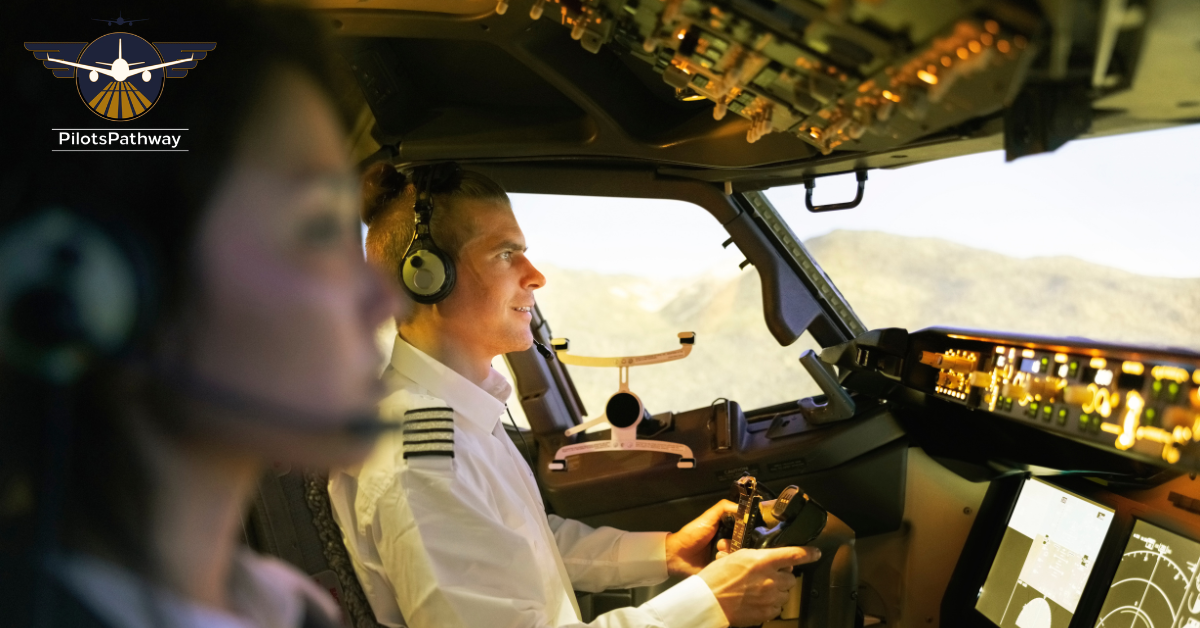
While flying hours often receive the most attention, they represent only one part of private pilot license training. A Private Pilot License Course also includes ground instruction, flight planning, instructor-led exercises, and several supporting components that contribute to a student’s overall learning experience.
Each stage of private pilot license training is designed to develop specific aviation skills, from understanding flight theory and aircraft systems to applying that knowledge during practical flight operations. Alongside the training itself, factors such as flying hours, training resources, accommodation, and additional practice sessions can influence the overall private pilot license cost.
This guide breaks down the key components of private pilot license training, helping you understand what to expect during training, where your investment goes, and the additional expenses students should plan for before starting their aviation journey.
What Does Private Pilot License Training Actually Involve?
Private Pilot License Training is a structured learning process that combines theoretical knowledge with practical flight experience. The objective is not only to help students learn how to fly an aircraft but also to develop the decision-making, navigation, communication, and safety skills required for responsible flight operations. A well-designed private pilot license course gradually builds these competencies through classroom instruction, instructor-led flying sessions, and practical exercises.
Typically, private pilot license training includes the following components:
- Ground School Training: Covers aviation fundamentals such as air regulations, meteorology, navigation, aircraft systems, and flight planning.
- Aircraft Familiarization: Introduces students to aircraft controls, instruments, safety procedures, and pre-flight inspections.
- Flight Instruction: Practical flying sessions conducted under the supervision of a qualified flight instructor.
- Navigation Training: Teaches route planning, navigation techniques, and situational awareness during flight.
- Radio Communication Procedures: Introduces students to aviation phraseology, radio communication practices, and operational communication used during flight training.
- Safety and Decision-Making Skills: Focuses on risk assessment, emergency procedures, and sound judgment in different flying situations.
By combining these elements, private pilot license training provides a strong foundation for aspiring aviators while helping them understand the responsibilities that come with operating an aircraft safely.
Private Pilot License Training Step by Step
Private Pilot License Training follows a structured progression, allowing students to build their knowledge and flying skills gradually. While the exact sequence may vary between flight schools, most training programs follow a similar pathway that combines classroom learning with practical flight experience.
| Training Stage | What Students Learn |
| Ground School | Aviation theory, regulations, meteorology, and navigation |
| Aircraft Familiarization | Aircraft systems, instruments, and pre-flight inspections |
| Dual Flight Training | Flying alongside a qualified instructor |
| Solo Flying | Independent flight practice under supervision |
| Navigation Training | Route planning and practical navigation skills |
| Skill Test Preparation | Flight proficiency and final evaluation |
- Ground School
The journey typically begins with ground school, where students learn aviation fundamentals such as air regulations, meteorology, navigation, aircraft systems, and flight planning. This theoretical foundation supports every stage of private pilot license training that follows.
- Aircraft Familiarization
Before taking control of an aircraft, students are introduced to cockpit instruments, aircraft controls, safety procedures, and pre-flight inspections. This stage helps build confidence and operational awareness while preparing students for practical flight lessons.
- Dual Flight Training
Students then begin practical flying under the guidance of a flight instructor. During this phase of the Private Pilot License Course, they learn basic maneuvers, take-offs, landings, and aircraft handling techniques while gaining hands-on experience in a controlled learning environment.
- Solo Flying
Once a student demonstrates sufficient competence, supervised solo flying begins. This stage allows learners to apply their training independently, helping them build confidence, judgement, and decision-making skills in real flight situations.
- Navigation Training
At this stage, students learn how to plan and execute flights beyond the local training area. Training focuses on route preparation, interpreting aviation charts, maintaining situational awareness, and applying navigation principles during real flight operations.
- Skill Test Preparation
The final phase of private pilot license training is dedicated to consolidating the knowledge and skills developed throughout the course. Students review key procedures, strengthen areas that require improvement, and prepare for the assessments required to demonstrate flight competency.
Read More: Why an Airline Preparation Course Is Essential for Aspiring Pilots Preparing for Airline Selection
What Should Students Consider Beyond the Course Fee?
When comparing private pilot license training options, the advertised fee is often the first thing students notice. However, several factors not always visible in a brochure or fee structure can shape the overall training experience. Elements such as instructor availability, aircraft access, training continuity, and operational efficiency can directly affect learning progress and the overall Private Pilot License cost.
Some of the key factors students should consider when comparing private pilot license training options include:
| Factor | Why It Matters |
| Instructor Availability | Consistent guidance helps maintain learning continuity. |
| Aircraft Access | Regular flying opportunities support steady progress. |
| Training Schedule | Reduced gaps between lessons help reinforce skills. |
| Learning Resources | Structured study support improves preparation. |
| Operational Standards | Contribute to a safe and organized training environment |
Rather than evaluating a private pilot license course solely on its fee, students should consider how these factors support their training journey. For example, frequent access to aircraft and well-planned training schedules can help maintain momentum, while consistent instructor support can make complex concepts easier to understand. Industry studies and flight training guidance often identify instructor quality, aircraft availability, and training organization as key contributors to a positive learning experience.
Understanding these factors provides a more complete picture of private pilot license training and helps students make informed comparisons when exploring different training options.
Flying Hours: The Core of Private Pilot License Training
Among all aspects of private pilot license training, flying hours often receive the most attention because they provide students with direct, hands-on experience in operating an aircraft. While ground training establishes theoretical knowledge, practical flying helps students translate that knowledge into real flight operations and develop essential flying skills.
During flying lessons, students gradually learn and practice:
- Aircraft handling and control
- Take-offs and landings
- Basic flight maneuvers
- Navigation and route execution
- Situational awareness
- Decision-making during flight
As private pilot license training progresses, each flying session builds upon previously learned skills, helping students improve proficiency and become more comfortable in the cockpit. Consistent training can also support skill retention, as extended gaps between lessons may require students to revisit certain procedures before progressing further.
For many aspiring aviators who aim to become a pilot in India, flying hours represent one of the most valuable parts of the training journey. They provide practical exposure to flight operations while helping students develop the judgement and discipline expected of responsible pilots.
While flying hours can significantly influence the overall private pilot license cost, their primary value lies in the practical experience and skill development they contribute throughout training.
What Can You Do After Completing Private Pilot License Training?
One of the most common questions students ask after completing private pilot license training is what comes next. The answer depends on individual goals. Some pilots use their license for recreational flying, while others use the experience and knowledge gained during training to explore advanced aviation pathways and future career opportunities.
| Career/Training Path | How PPL Helps |
| Recreational Flying | Enables personal flying and continued skill development |
| Commercial Pilot Training India | Provides exposure to flight operations and aviation fundamentals |
| CPL Ground Classes | Helps students relate theoretical concepts to practical flying experience |
| Other Pilot Courses in India | Offers a foundation for exploring specialized aviation training |
For students considering a pilot training institute in Jaipur, the practical experience gained during private pilot license training can provide valuable context before moving into advanced training programs. Exposure to aircraft operations, navigation, flight planning, and aviation procedures helps students better understand the expectations of professional flight training.
Similarly, students often find CPL Ground Classes easier to understand when they can connect theoretical concepts with real flight experience. This practical perspective can make aviation subjects more relatable and meaningful during further training.
Beyond commercial pathways, several pilot courses in India cater to different interests and career objectives. Whether the goal is recreational flying or to become a Pilot in India professionally, understanding the available options can help students make informed decisions about their next steps in aviation.
Plan Your Aviation Journey with PilotsPathway
Completing private pilot license training is not just about learning to fly – it is also about understanding your next steps in aviation. From selecting the right private pilot license course to evaluating the overall private pilot license cost, students are often faced with important decisions that can influence their training experience.

PilotsPathway helps aspiring aviators navigate these choices with greater clarity. Whether you are exploring Commercial Pilot Training India, preparing for CPL ground classes, or comparing different training pathways, you can benefit from expert guidance and industry-focused insights to make informed aviation decisions.
Conclusion
Private Pilot License Training is designed to help students develop the knowledge, skills, and practical understanding required to operate an aircraft safely and confidently. However, choosing the right training program involves more than comparing flying hours or evaluating the private pilot license cost alone. Understanding the factors that influence the private pilot license cost can help students make better training decisions.
A well-structured private pilot license course should provide a balanced learning experience that combines ground training, flight instruction, and consistent skill development. By understanding what the training includes and evaluating different options carefully, aspiring aviators can make informed decisions that support both their immediate learning objectives and future aviation aspirations. Resources and guidance from PilotsPathway can further help students navigate these decisions with greater confidence.
FAQs
1. Is Private Pilot License Training suitable for students who are unsure about a professional aviation career?
Yes. Many students choose private pilot license training to gain firsthand flying experience before committing to advanced aviation programs. It helps them understand aircraft operations, aviation procedures, and cockpit decision-making. For some, it becomes a pathway towards Commercial Pilot Training India, while others pursue it for recreational flying.
2. Can Private Pilot License Training help before Commercial Pilot Training India?
Yes. Private Pilot License Training introduces students to flight operations, navigation, communication procedures, and aircraft handling. For those considering Commercial Pilot Training India, this exposure can help them better understand the expectations of advanced flight training and adapt more easily to future aviation programs.
3. How is a private pilot license course different from other pilot courses in India?
A private pilot license course focuses on foundational flying skills and practical flight experience for non-commercial operations. In contrast, other pilot courses in India may prepare students for commercial flying, advanced ratings, or specialized aviation roles. Students who wish to become a Pilot in India professionally should compare different pilot courses in India and understand how a private pilot license course fits into their long-term goals.
4. Can the flying hours completed during private pilot license training be used for future pilot training?
The relevance of flying hours gained during private pilot license training depends on a student’s future training goals and the requirements of the pathway they choose to pursue. Before enrolling in a private pilot license course, students should understand how previous flying experience may fit into their long-term aviation plans.
They should also evaluate the overall private pilot license cost, as the private pilot license cost can vary based on training structure, aircraft availability, and learning resources. Understanding what is included within the private pilot license cost can help students make more informed decisions about future pilot training opportunities.