
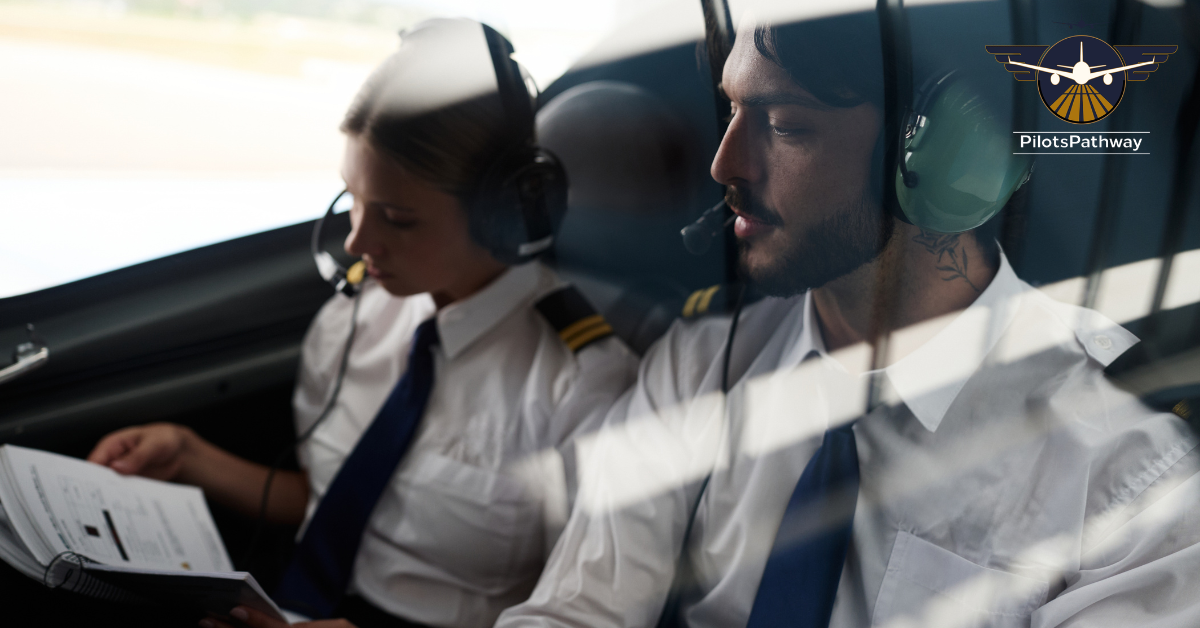
For many aspiring pilots, the journey to an airline career revolves around flight training, licenses, and flying hours. While these milestones are essential, they are only part of what airlines look for during recruitment. Today’s airline selection processes often include technical interviews, aptitude assessments, simulator evaluations, HR rounds, and pilot psychometric tests designed to assess much more than aviation knowledge alone.
As a result, many candidates discover that obtaining a license does not automatically prepare them for airline recruitment. Airlines seek professionals who can demonstrate strong decision-making, communication, situational awareness, teamwork, and the ability to perform under pressure in dynamic environments.
This is where an airline preparation course becomes valuable. By helping aspiring pilots understand airline expectations and prepare for key selection stages, it bridges the gap between pilot training and airline readiness. Whether you are exploring pilot courses in India, pursuing private pilot license training, or planning to apply for a cadet pilot program, the right preparation can provide a significant advantage. In this article, we’ll explore why airline preparation classes have become an essential step for aspiring pilots preparing for airline selection.
Follow link: Flight Simulator Training: How Future Pilots Build Essential Flying Skills Before Entering the Cockpit
What Airlines Look for Beyond Flying Skills
Many aspiring pilots believe that completing flight training and obtaining the required licenses is enough to start an airline career. However, airline selection involves much more than technical knowledge and flying ability.
Airlines commonly assess candidates on:
- Decision-making ability
- Communication skills
- Teamwork and collaboration
- Professionalism and discipline
- Situational awareness
- Adaptability under pressure
This often comes as a surprise to students and parents who are exploring pilot courses in India for the first time. While flight training helps you learn how to fly an aircraft, airline recruitment focuses on identifying candidates who are ready to operate in a professional airline environment. As a result, candidates may encounter aptitude assessments, interviews, simulator evaluations, and pilot psychometric tests during the selection process.
Understanding these expectations early can help aspiring pilots prepare more effectively and avoid common mistakes during airline recruitment. This is one of the key reasons airline preparation classes are becoming increasingly important for students planning careers in aviation.
What Is an Airline Preparation Course?
An airline preparation course is a structured training program designed to help aspiring pilots prepare for the various stages of airline recruitment. While flight training focuses on developing technical knowledge and flying proficiency, an airline preparation course helps candidates understand airline expectations and navigate the selection process with confidence.
These programs typically cover areas such as interview preparation, aptitude assessments, communication skills, simulator readiness, and pilot psychometric test preparation. The objective is to familiarize candidates with the recruitment process before they face actual airline assessments.
For students pursuing private pilot license training or exploring different pilot courses in India, an airline preparation course provides valuable insights into the skills and competencies airlines look for beyond licenses and flying hours. By preparing early, aspiring pilots can approach future airline opportunities with greater confidence and a clearer understanding of what lies ahead.
Why Early Preparation Matters for Airline Selection
Many aspiring pilots focus primarily on completing their training and obtaining the necessary licenses before thinking about airline recruitment. While this approach is common, it can leave candidates with limited time to understand the selection process and develop the skills required beyond technical training.
Preparing early allows aspiring pilots to become familiar with airline expectations well before they face actual assessments. It also provides an opportunity to improve communication skills, interview performance, and pilot psychometric test readiness in a more structured and less stressful manner. Rather than rushing to prepare when an airline opportunity arises, candidates can gradually build confidence and develop a clearer understanding of the recruitment process.
Whether a student is pursuing private pilot license training or planning to apply for a cadet pilot program in the future, early preparation can make the transition from training to airline selection much smoother. An airline preparation course helps aspiring pilots identify areas for improvement, become comfortable with different assessment formats, and approach airline opportunities with greater confidence. By understanding the recruitment process in advance, candidates can focus on performing at their best when the time comes.
What You Can Expect from Airline Preparation Classes
Airline preparation classes are designed to give aspiring pilots a clearer understanding of the airline selection process and the skills required to succeed in it. As part of a comprehensive airline preparation course, these sessions help candidates become familiar with the expectations and assessment methods commonly used during airline recruitment.
A typical airline preparation course may include:
- Aptitude assessment training
- Interview preparation and mock interviews
- Group discussion practice
- Communication and personality development
- Pilot psychometric test preparation
- Simulator orientation and assessment guidance
- Professional conduct and airline recruitment awareness
For students pursuing private pilot license training or exploring pilot courses in India, these sessions provide valuable exposure to the expectations of airlines before actual opportunities arise. Rather than encountering unfamiliar assessment formats for the first time during recruitment, candidates can gain practical insights and a better understanding of the selection process in advance. This allows aspiring pilots to prepare more effectively and approach future airline opportunities with greater confidence. Well-structured airline preparation classes also help candidates understand airline expectations and build confidence before recruitment begins.
Follow Links: DGCA Ground Classes: Building Confident Pilots for DGCA Exams and Beyond
The Growing Importance of Pilot Psychometric Tests in Airline Recruitment
Over the past few years, pilot psychometric tests have become an increasingly important part of airline recruitment and cadet pilot program selection processes. These assessments are designed to evaluate behavioral traits, decision-making ability, situational awareness, multitasking skills, and other competencies that are essential for operating in a professional airline environment. Airlines use these tests to gain a deeper understanding of how candidates may respond in different scenarios beyond what can be measured through technical examinations alone.
For many aspiring pilots, psychometric assessments can feel unfamiliar because they are not typically covered during traditional flight training. As a result, candidates often underestimate their importance or approach them without adequate preparation. This is one reason why pilot psychometric test preparation has become a key component of many airline preparation classes and airline preparation course programs.
Recognizing this growing industry focus, PilotsPathway includes dedicated guidance to help aspiring pilots understand the purpose and structure of these assessments. By becoming familiar with common assessment formats and expectations, candidates can approach the selection process with greater confidence and awareness.
Can an Airline Preparation Course Help You Prepare for a Cadet Pilot Program?
For many aspiring pilots, a Cadet Pilot Program is one of the most structured pathways to begin an airline career. These programs are designed to identify candidates with the aptitude, skills, and potential required for airline operations, which is why their selection processes are often highly competitive.
While every airline may have different requirements, candidates are commonly assessed through aptitude tests, interviews, group discussions, and pilot psychometric tests. As a result, many students choose to enroll in an airline preparation course before applying for a cadet pilot program to become familiar with these assessment formats and expectations.
An airline preparation course can help aspiring pilots develop a better understanding of the recruitment process, strengthen communication skills, and gain exposure to the types of evaluations used during selection. Whether a student is pursuing private pilot license training or exploring various pilot courses in India, early preparation can make the transition from training to airline recruitment more structured and focused.
For candidates aspiring to join a Cadet Pilot Program, understanding the selection process in advance can be a significant advantage. By becoming familiar with different assessment stages and industry expectations, aspiring pilots can build the professional mindset needed to take the next step in their aviation journey.

Beyond Flight Training: Choosing the Right Airline Preparation Course
Choosing the right airline preparation course is about more than simply preparing for assessments. Aspiring pilots should look for programs that combine mentorship, industry insights, practical preparation, and exposure to real-world airline recruitment processes. The goal is not only to improve performance during selection but also to develop the professional skills expected in an airline environment.
PilotsPathway focuses on bridging the gap between pilot training and airline selection through structured Airline Preparation Classes designed specifically for aspiring airline pilots. The program combines industry insights, mentorship, and targeted preparation to help students navigate interviews, aptitude assessments, simulator evaluations, and pilot psychometric tests with greater clarity.
In addition to supporting students from different aviation backgrounds, PilotsPathway has expanded its presence to serve aspiring pilots across locations, including its Pilot Training Institute in Bangalore. Whether students are exploring pilot courses in India or looking for focused airline selection preparation, the goal remains the same: helping aspiring pilots become better prepared for the opportunities and challenges that lie ahead in their aviation careers.
Conclusion
The aviation industry is becoming increasingly competitive, and airline recruitment today extends far beyond flight training and license requirements. While technical knowledge and flying skills remain essential, airlines also evaluate candidates on their communication abilities, decision-making skills, professionalism, adaptability, and overall readiness for the airline environment. This is why many aspiring pilots are now investing time in structured airline preparation courses and airline preparation classes before applying for airline opportunities.
Follow Links: What is a DGCA Computer Number, and How to Get One: Complete Guide for Pilot Aspirants
From interviews and aptitude assessments to simulator evaluations and pilot psychometric test, every stage of the selection process requires focused preparation. Whether you are pursuing private pilot license training, planning to apply for a Cadet Pilot Program, or exploring long-term airline career opportunities, preparing early can help you approach the recruitment journey with greater clarity and purpose. With the right guidance, mentorship, and preparation, aspiring pilots can build a stronger foundation for success and take a confident step toward achieving their aviation goals.
FAQs
1. Is airline preparation useful only for cadet pilot applicants?
No. Airline preparation can benefit aspiring pilots pursuing various airline career pathways, not just a Cadet Pilot Program. While many candidates associate airline preparation courses and airline preparation courses with cadet selections, airline recruitment across different pathways may include interviews, aptitude assessments, group exercises, and pilot psychometric tests. Structured preparation can therefore be valuable regardless of the specific airline career route a candidate chooses.
2. Are pilot psychometric tests difficult to clear?
Pilot psychometric tests are designed to evaluate personality traits, decision-making ability, situational awareness, communication style, and behavioral suitability for airline operations. While there is no fixed formula for success, understanding the assessment process and practicing relevant scenarios can help candidates approach these assessments with greater confidence and clarity.
3. Do airlines only evaluate flying skills during recruitment?
No. While flying skills and technical knowledge remain important, airlines also assess communication abilities, decision-making skills, teamwork, professionalism, leadership potential, and situational awareness. This is why modern airlines recruitment processes often include interviews, aptitude assessments, simulator evaluations, and pilot psychometric tests alongside technical assessments.
4. Can an airline preparation course help with a cadet pilot program?
Yes. Many aspiring pilots choose to join an airline preparation course or airline preparation classes before applying for a Cadet Pilot Program. Since cadet selections often include aptitude assessments, interviews, group exercises, and pilot psychometric tests, structured preparation can help candidates better understand the process and approach each stage with greater readiness.
5. Can students from different flying schools apply for the same airline opportunities?
Yes. Airlines generally evaluate candidates based on their qualifications, performance during assessments, and overall suitability for the role rather than the flying school they attended. Whether students train at a pilot training institute in Bangalore or another aviation training center, airlines primarily focus on a candidate’s ability to meet recruitment and operational standards. Aspiring pilots comparing a pilot training institute in Bangalore should focus on factors such as training quality, mentorship, industry exposure, and airline preparation support rather than location alone.