
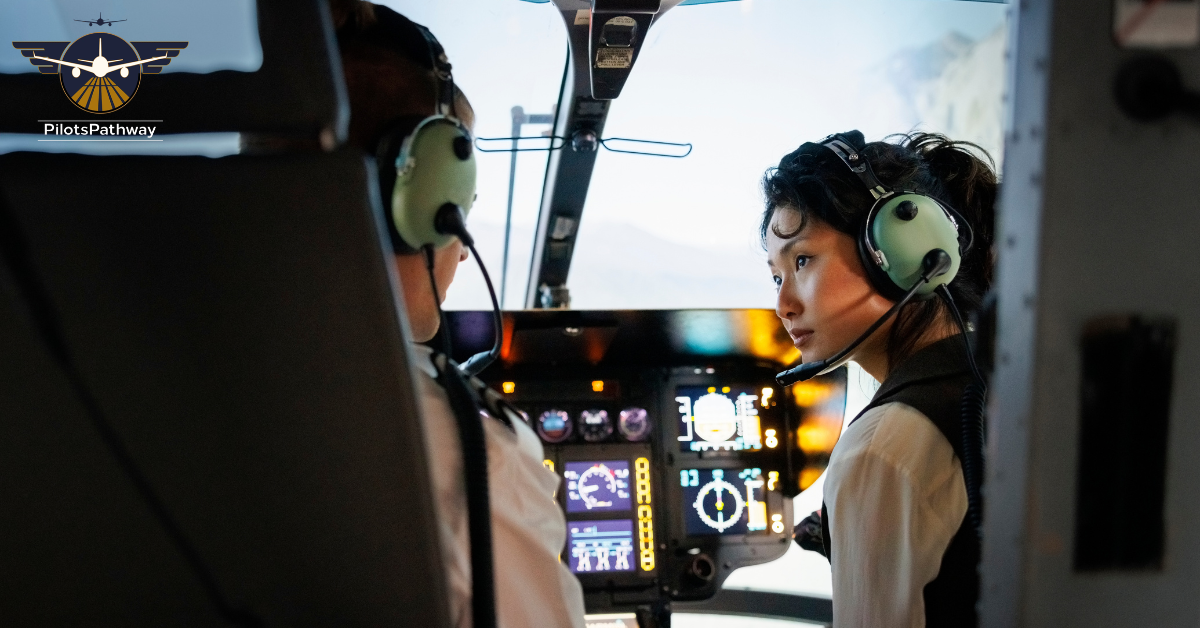
For many aspiring aviators, the dream of become a pilot in India begins with one important question: How much money should I budget? While there is no single answer, the total investment can range from approximately ₹55 lakh to over ₹1 crore, depending on the training pathway chosen. Students pursuing the conventional commercial pilot training route generally require a lower investment than those enrolling in airline cadet programs, which often involve a significantly higher financial commitment.
For students researching how to become a pilot after 12th, understanding these costs early is essential. The journey involves multiple components, including DGCA ground classes, flying training, medical examinations, licensing requirements, and training on a flight simulator in India. Since every student’s pathway is different, the final investment can vary considerably even when the end goal remains the same.
Read More: What Makes PPL Training Hyderabad a Valuable First Step for Aspiring Pilots
Whether you are exploring how to become a pilot, comparing training options, or planning your aviation budget, understanding the complete financial picture is crucial. This guide explains the major cost components, factors that influence expenses, and practical budgeting considerations to help aspiring aviators become a pilot in India with greater confidence and preparation.
Understanding the Investment Required to Become a Pilot in India
One of the biggest misconceptions among aspiring aviators is that there is a fixed price to become a pilot in India. In reality, the answer is far more complex. While online searches often provide a broad cost range, the actual investment depends on the training pathway chosen, the flight school selected, the number of flying hours completed, and several other factors that influence the overall journey.
For students researching how to become a pilot after 12th, it is important to view pilot training as a long-term investment rather than a one-time expense. Beyond course fees, aspiring pilots must account for DGCA ground classes, medical examinations, licensing requirements, accommodation, study materials, and flight simulator training in India. These expenses occur at different stages of training and collectively shape the total amount required to pursue an aviation career.
Students exploring how to become a pilot should also understand that not every training pathway carries the same financial commitment. Traditional commercial pilot training programs generally follow a different cost structure than airline cadet programs, which often include additional assessments, airline-specific preparation, and structured training modules. This is one of the key reasons why two students with the same ambition to become a pilot in India may ultimately invest very different amounts before reaching the cockpit.
Understanding these variables early helps aspiring aviators plan more effectively, set realistic expectations, and approach their aviation journey with greater financial confidence and preparedness.
Conventional Route vs. Airline Cadet Program: Understanding the Cost Difference
For aspiring aviators, the journey to become a pilot in India is not limited to a single training route. One of the biggest factors influencing the overall investment is the pathway a student chooses. Whether you are exploring how to become a pilot or researching how to become a pilot after 12th, understanding the difference between conventional training and airline cadet programs can help you plan your budget more effectively.
The conventional route allows students to progress through CPL flight training, complete DGCA ground classes, and fulfill licensing requirements through an independent training pathway. Airline cadet programs, on the other hand, are designed around airline-specific standards and often include additional screening processes, structured training phases, and focused airline preparation. As a result, the overall cost and training experience can differ considerably between the two options.
Cost Comparison: Conventional Route vs. Airline Cadet Program:
| Factor | Conventional CPL Route | Airline Cadet Program |
| Estimated Investment | ₹55 – 80 Lakh | ₹85 Lakh – ₹1.2 Crore+ |
| Training Structure | Independent | Airline-Oriented |
| Flexibility | Higher | Lower |
| Flying Training Approach | Self-Planned Progression | Structured Program |
| Airline Association | Not Mandatory | Integrated with Airline Requirements |
| Typical Budget Range | Moderate to High | Higher |
Neither option is inherently better. The right choice depends on individual career goals, preferred learning style, and financial planning. While traditional commercial pilot training often provides greater flexibility in managing costs, cadet programs offer a more structured route for students seeking a direct airline-focused training environment. Carefully evaluating both options can help aspiring pilots make a decision that aligns with their long-term aviation aspirations.
Understanding the Key Cost Components of Pilot Training
One of the most common misconceptions among aspiring aviators is that pilot training cost in Bangalore are limited to flying hours alone. In reality, the investment required to become a pilot in India is made up of several interconnected components, each playing a specific role in a student’s training and licensing journey. For those researching how to become a pilot or how to become a Pilot in India, understanding these components can provide a more realistic view of the financial commitment involved.
| Cost Component | Why It Matters |
| DGCA Ground Classes | Prepare students for theoretical examinations and regulatory requirements. |
| CPL Flight Training | Develops practical flying skills and contributes significantly to overall training costs. |
| Flight Simulator in India | Helps students build procedural knowledge and operational awareness in a controlled environment |
| Medical and Licensing Requirements | Mandatory requirements for obtaining and maintaining pilot licenses. |
| Accommodation and Living Expenses | Additional costs that can influence the overall training budget. |
Rather than evaluating individual expenses in isolation, aspiring pilots should view them as part of a larger training ecosystem. A clear understanding of these components not only helps students budget more effectively but also enables them to compare training options based on overall value rather than cost alone.
Mapping the Financial Journey to Become a Pilot in India
For many aspiring aviators, the cost to become a pilot in India is often viewed as a single figure. In reality, pilot training is a phased journey, with expenses arising at different stages rather than all at once. Understanding how these investments are distributed can help students and parents prepare more effectively for the financial commitment ahead.
| Training Stage | Typical Expenses |
| Before Training | Medical examinations, assessments, counselling |
| Ground School Phase | DGCA Ground Classes, study material, examination preparation |
| Flight Training Phase | CPL Flight Training, flying hours, operational training |
| Advanced Preparation | Training on a flight simulator in India and skill enhancement activities |
| Licensing & Completion | Examinations, documentation, and license-related processes |
For students exploring how to become a pilot after 12th, this phased approach provides a clearer perspective on how training costs are typically incurred. Rather than focusing only on the final amount, it helps aspiring pilots understand when major investments may occur and plan accordingly. This approach supports better budgeting and reduces the likelihood of financial surprises during the journey to become a pilot in India.
Financial Mistakes That Can Increase the Cost of Pilot Training
Many students focus on the advertised cost of training but underestimate the financial impact of decisions made throughout the journey. In reality, the final amount required to become a pilot in India is often influenced by planning, preparation, and training efficiency as much as the course fee itself.

Some common factors that can increase overall expenses include:
- Starting training without a clear financial plan.
- Underestimating accommodation and living expenses.
- Delays caused by incomplete documentation or medical requirements.
- Multiple examination attempts due to inadequate preparation during DGCA Ground Classes.
- Extended training timelines that increase accommodation and related costs.
- Selecting a program based solely on price rather than overall training value.
For students researching how to become a pilot after 12th, understanding these factors can help prevent avoidable expenses and support better financial planning. While every training journey is unique, careful preparation often allows aspiring pilots to manage their budget more effectively and progress with greater confidence.
Every Successful Pilot Journey Begins with Better Planning
For many aspiring aviators, the challenge is not simply learning how to become a pilot – it is understanding how to prepare for the journey in a practical and sustainable way. From selecting the right training pathway to estimating the investment required to become a pilot in India, informed decisions made early can have a lasting impact on the overall experience.
At PilotsPathway, we believe aviation guidance should extend beyond course comparisons and fee discussions. The goal is to help aspiring pilots develop a clearer understanding of training pathways, financial commitments, and the decisions that shape long-term aviation goals. For students exploring how to become a pilot after 12th, the right information at the right stage can be just as valuable as the training itself.
Conclusion
For many aspiring aviators, the dream to become a pilot in India is driven by a passion for flying. However, turning that ambition into reality requires more than meeting eligibility criteria or selecting a training program. It requires a clear understanding of the investment, planning, and commitment involved throughout the journey.
For students researching how to become a pilot after 12th, one of the most important lessons is that pilot training should be viewed as a long-term investment rather than a short-term expense. From commercial pilot training and CPL flight training to examinations, licensing requirements, and additional training-related costs, every stage contributes to the overall journey to become a pilot in India.
Read More: Private Pilot License Course Mumbai: A Beginner’s Guide to Exploring Aviation Opportunities
While costs may vary across training pathways, students who understand the financial landscape early are often better prepared to make confident decisions. Whether you are exploring how to become a pilot after 12th or evaluating different pathways to become a pilot in India, informed planning remains one of the most valuable investments you can make. Through the resources available at PilotsPathway, aspiring aviators can approach their goal to become a pilot in India with realistic expectations, stronger preparation, and a clearer vision of the path ahead.
FAQs
1. Is it better to delay pilot training until the entire budget is arranged?
Not always. The right approach depends on an individual’s financial situation, training plan, and long-term goals. However, before starting the journey to become a pilot in India, students should have a realistic understanding of the overall investment required and a clear plan for managing training-related expenses throughout the process.
2. What is the biggest financial mistake students make when planning how to become a pilot after 12th?
One of the most common mistakes is focusing only on the advertised training cost while overlooking the overall financial commitment. Students exploring how to become a pilot after 12th, you should understand the complete training pathway, expected duration, and additional expenses before making a decision. Proper planning early in the journey often prevents financial stress later.
3. Why is it important to understand the full cost before choosing a pilot training pathway?
The total investment required to become a pilot in India can vary depending on training choices, timelines, and individual circumstances. Understanding the complete financial picture before enrolling helps students compare options more effectively, set realistic expectations, and make decisions that align with both their aviation goals and budget.
4. Is commercial pilot training the only expense aspiring pilots should consider?
No. While commercial pilot training represents a significant portion of the investment, students should also consider medical examinations, licensing requirements, study materials, accommodation, travel, and other related expenses. Looking at the complete picture helps aspiring pilots plan more effectively.
5. How can PilotsPathway help students make better aviation decisions?
Choosing a training pathway involves more than comparing fees or institutions. Through educational resources, aviation insights, and guidance-focused content, PilotsPathway helps students better understand how to become a pilot after 12th, evaluate training pathways, and prepare for the investment required to become a pilot in India with greater confidence.