
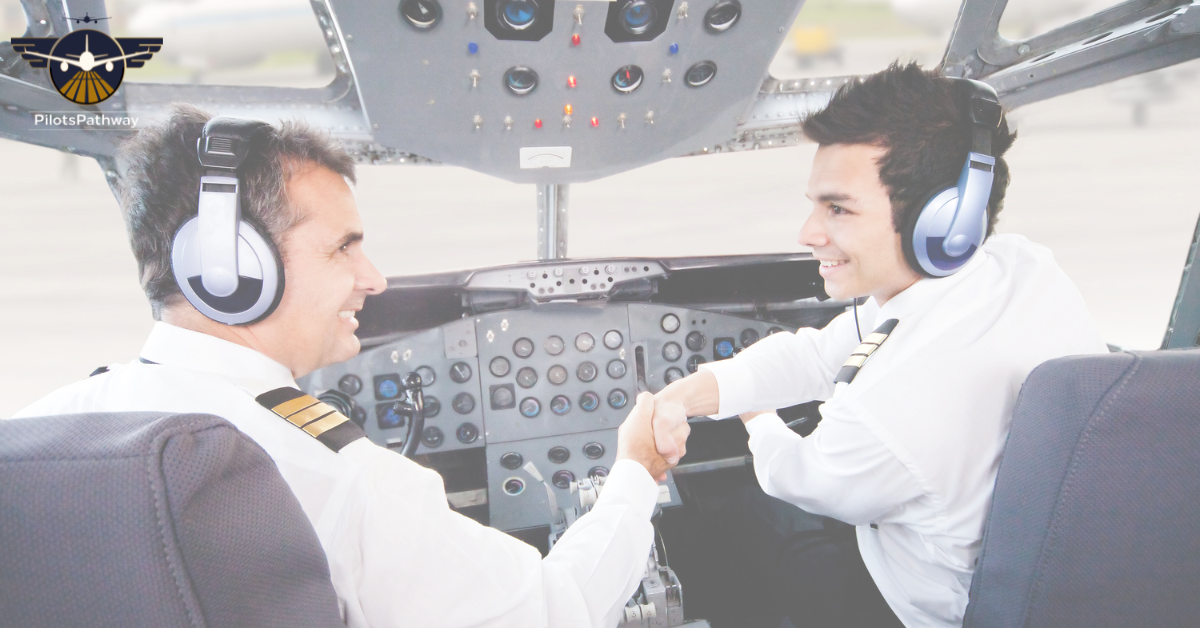
The aviation industry continues to attract students who dream of building a career in the cockpit. While the traditional Commercial Pilot Licence (CPL) route remains a popular option, many aspiring pilots are now exploring the Cadet Pilot Program as a more structured pathway into airline aviation. Designed to align training with airline requirements, these programs have gained significant attention among students looking for a clearer route from training to the flight deck.
At the same time, interest in the Cadet Pilot Programme in India has also created many questions. Students often want to understand how these programs work, whether they meet the eligibility criteria, how much the training costs, and what career opportunities await after completion. With multiple airlines, training partners, and cadet courses available today, choosing the right path can sometimes feel overwhelming.
Understanding these factors is important because a Cadet Pilot Program involves a significant investment of time, effort, and financial commitment. Making an informed decision requires more than simply knowing the admission requirements – it requires a clear understanding of the training process, expected costs, and long-term career prospects.
Read More: Why an Airline Preparation Course Is Essential for Aspiring Pilots Preparing for Airline Selection
In this guide, we will break down everything you need to know about the Cadet Pilot Program, including eligibility requirements, fees, career progression, and the factors students should consider before choosing this pathway.
What Is a Cadet Pilot Program?
A Cadet Pilot Program is a structured training pathway designed to prepare aspiring pilots for airline careers. Unlike the traditional route, where students independently complete their flight training and later apply to airlines, cadet programs are typically aligned with specific airline training standards from the beginning.
Most cadet courses combine various stages of pilot training, including ground school, flight training, assessments, and airline-oriented preparation. The objective is to develop the technical knowledge, flying skills, and professional competencies required for a career in commercial aviation.
A typical Cadet Pilot Programme in India may involve collaboration between airlines and approved training organisations, creating a more streamlined training journey for selected candidates. While the structure may vary across programs, the overall goal remains the same – to prepare aspiring pilots for the transition from student training to airline operations.
For students seeking a structured approach to aviation training, a Cadet Pilot Program can offer a clearly defined pathway with training milestones designed around industry expectations.
Before exploring the eligibility criteria, fees, and career opportunities, let us understand how a Cadet Pilot Program typically progresses from selection to airline readiness.
How Does a Cadet Pilot Program Work?
A Cadet Pilot Program follows a structured training pathway designed to take aspiring pilots from the selection stage to airline-ready training. While the exact process may vary across airlines, most cadet courses follow a similar framework. Airlines typically assess candidates through aptitude tests, psychometric evaluations, interviews, and other selection stages before training begins.
Typical Cadet Pilot Program Journey:
|
Stage |
What Happens |
| Application and Screening | Eligibility verification and application review |
| Aptitude & Interview Assessments | Evaluation of cognitive, psychometric, communication, and problem-solving skills |
| Ground School Training | Aviation theory, navigation, meteorology, regulations, and technical subjects |
| Flight Training | Practical flying lessons under certified instructors |
| CPL and Required Ratings | Completion of Commercial Pilot Licence requirements |
| Type Rating | Aircraft-specific training for airline operations |
| Airline Induction | Transition into airline-focused training and operational procedures |
After selection, candidates progress through ground school, flight training, licensing requirements, and type-rating training. A typical Cadet Pilot Programme in India is designed to provide a structured pathway from student pilot training to airline-oriented operations and commercial flying careers.
Before applying, it is important to understand whether you meet the eligibility requirements for a Cadet Pilot Program.
Cadet Pilot Program Eligibility Requirements
The eligibility requirements for a Cadet Pilot Program may vary between airlines, but most programs follow similar academic, medical, and age-related criteria. Students interested in a Cadet Pilot Programme in India should always check the latest airline-specific requirements before applying.
Typical Eligibility Criteria
| Requirement | Typical Criteria |
| Age | Generally 18 years or above |
| Education | 10+2 with Physics and Mathematics |
| English Proficiency | Good written and spoken English |
| Medical Fitness | DGCA-approved medical certification |
| Nationality | Indian Citizen or OCI (varies by airline) |
Most airlines require candidates to have completed 10+2 with physics and mathematics, as these subjects form the academic foundation for aviation training. Several airlines also specify minimum marks in physics, mathematics, and English. Students who do not meet these requirements may need to complete additional qualifications before applying for certain cadet courses or other pilot courses in India.
Medical fitness is equally important. Candidates are expected to meet DGCA medical standards before progressing through training. Many aspiring pilots also choose a foundation course to strengthen their aviation knowledge and improve their performance in aptitude tests, interviews, and selection assessments conducted as part of a Cadet Pilot Program.
Meeting the eligibility criteria is only the first step. The next important consideration for any Cadet Pilot Program applicant is understanding the overall training cost and financial commitment involved.
Cadet Pilot Program Fees in India
The cadet pilot program fees in India are generally higher than the cost of independent CPL training because they combine multiple stages of pilot development into a single structured pathway. Most airline-backed programs include ground school training, flight training, DGCA licensing requirements, airline preparation, and aircraft type rating. Some programs may also include accommodation, training materials, or other support services.
On average, cadet pilot program fees range from ₹90 lakh to ₹1.3 crore or more, depending on the airline, training partner, training location, and program inclusions. While the investment is significant, many aspiring pilots prefer cadet programs because they offer a streamlined route from training to airline readiness.
Factors Affecting Cadet Pilot Program Fees
The cost of a Cadet Pilot Program can vary significantly from one program to another. While the overall training structure may be similar, several factors influence the final cost of a Cadet Pilot Programme in India.
Key Factors That Affect Training Costs:
- Training Provider: The facilities, infrastructure, and training standards of the organization can influence overall costs.
- Type Rating Requirements: Aircraft-specific training is often a major component of the total fee.
- Training Location: Domestic and international training locations may involve different expenses.
- Additional Services: Accommodation, study materials, uniforms, and administrative charges may be included in some cadet courses.
When comparing different cadet courses, students should look beyond the advertised fee and understand exactly what is included in the training package. This can help aspiring pilots make a more informed financial decision before enrolling in a Cadet Pilot Program.
Career Path After Completing a Cadet Pilot Program
A cadet program is designed to prepare candidates for a professional aviation career. After completing training, obtaining the required licenses, and meeting airline standards, candidates typically begin their journey as junior first officers or first officers with their respective airline.
Most airlines also require line training, where newly trained pilots gain practical operational experience under supervision before taking on full responsibilities. As pilots accumulate flying hours and experience, they can progress to senior positions and eventually become captains.
While the primary goal of a Cadet Pilot Programme in India is airline placement, the skills and licences earned during training can also open opportunities in flight instruction, charter aviation, and other aviation sectors. Compared to many other pilot courses in India, cadet pathways offer a more structured route from training to airline operations.

Cadet Pilot Programme in India vs. Traditional CPL Route
One of the most common questions among aspiring pilots is whether to choose a Cadet Pilot Programme in India or follow the traditional Commercial Pilot Licence (CPL) pathway. Both routes can lead to an airline career, but they differ in structure, cost, and career progression.
| Factor | Cadet Pilot Program | Traditional CPL Route |
| Training Structure | Structured airline-focused training | Independent training pathway |
| Career Path | Defined progression toward airline recruitment | Candidate applies to airlines after CPL |
| Cost | Generally higher | Usually lower initially |
| Training Support | Includes guidance, assessments, and airline-specific preparation | Depends on the flying school and individual planning |
Many cadet courses also include a foundation course and assessment preparation to help candidates meet airline selection standards. In contrast, students pursuing other pilot courses in India may need to arrange additional preparation and career planning independently. The right choice depends on your budget, career goals, and preferred learning path.
Who Should Consider a Cadet Pilot Program?
A cadet pathway can be a suitable choice for students who are committed to building a long-term career in commercial aviation and prefer a structured training journey. Unlike some other pilot courses in India, a Cadet Pilot Programme in India offers a clearly defined pathway that combines training, assessments, and airline-focused preparation.
These cadet courses are particularly beneficial for students who want guided support throughout the selection and training process. Many programs also include a foundation course to strengthen aviation knowledge and help candidates prepare for aptitude tests, interviews, and airline assessments.
A cadet program may be the right fit if you value structured learning, are willing to make a significant investment in your training, and want a pathway that is closely aligned with airline requirements and career progression.
Your Airline Career Starts with the Right Preparation
Getting selected for a cadet program requires more than meeting the eligibility criteria. Strong performance in aptitude tests, interviews, and assessments plays a crucial role in the selection process. That’s why many aspiring pilots choose a foundation course and specialized airline preparation classes to strengthen their readiness before applying.
At PilotsPathway, students receive structured guidance, industry insights, and dedicated airline preparation classes designed to help them navigate competitive airline selection processes. As a trusted pilot training institute in Jaipur, PilotsPathway also offers a comprehensive foundation course for aspiring pilots looking to build confidence and prepare for a successful aviation career.
Conclusion
A Cadet Pilot Programme in India offers aspiring pilots a structured pathway from training to airline readiness. While the investment, commitment, and selection process can be demanding, the combination of professional flight training, airline-focused preparation, and a clearly defined career path makes it an attractive option for many students. When comparing different cadet courses, it is important to evaluate not only the cost but also the quality of training, career support, and long-term opportunities offered by the program.
For students serious about pursuing an aviation career, building a strong foundation is equally important. A well-designed foundation course and targeted airline preparation classes can help candidates improve their performance in aptitude tests, interviews, and airline assessments. With the right preparation, guidance, and consistent effort, aspiring pilots can approach the selection process with greater confidence and improve their chances of success in the aviation industry.
FAQs
1. Can I join a Cadet Pilot Program after Class 12?
Yes. Most airlines allow candidates to apply for a Cadet Pilot Program after completing Class 12 with physics and mathematics from a recognized board. In addition to academic eligibility, candidates must meet the airline’s medical, aptitude, and assessment requirements before being selected for training. Many students also choose a foundation course to strengthen their aviation knowledge and better understand the airline selection process before applying.
2. How can a pilot training institute in Jaipur help with cadet pilot preparation?
A professional pilot training institute in Jaipur can help aspiring pilots prepare for aptitude tests, interviews, group exercises, and airline assessments that are commonly part of the cadet selection process. Many students also enroll in a foundation course and attend airline preparation classes to improve their readiness for airline evaluations. Institutions such as PilotsPathway, which is based in Jaipur, provide structured guidance and preparation support to help candidates approach the selection process with greater confidence and clarity.
3. Can I apply for multiple cadet programs at the same time?
Yes. Many aspiring pilots apply to multiple cadet courses to increase their chances of selection. However, candidates should carefully review the eligibility criteria, selection process, and training requirements of each program before applying. Since every airline may have different standards, timelines, and assessment processes, it is important to prepare thoroughly before appearing for selection rounds.
4. What happens if I am not selected in a cadet pilot programme?
Not being selected in a cadet program does not mean the end of your aviation career. Many aspiring pilots improve their aptitude test performance, interview skills, and aviation knowledge before reapplying. Others choose alternative training pathways, including CPL training and other pilot courses in India, to continue working toward their goal of becoming an airline pilot. Some candidates also strengthen their preparation through a foundation course or additional mentorship before applying again.